


At Squerryes, a new flagship wine called Patience has spent more than a decade in the making but its story began centuries earlier.
Every family has stories.
Few have a house that still remembers them.
At Squerryes, history doesn’t announce itself so much as reveal itself gradually.
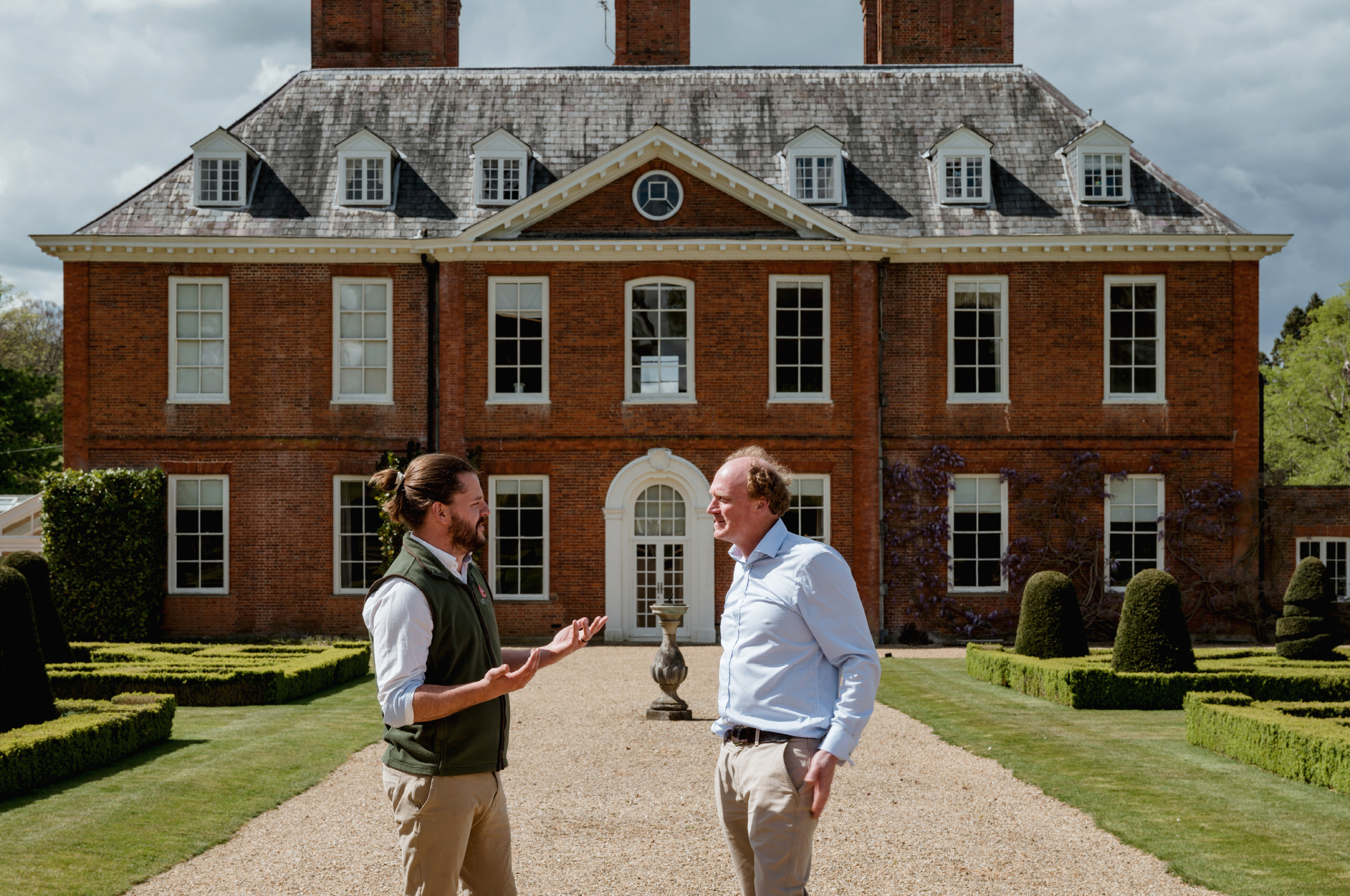
Henry Warde welcomes me into the grand entrance hall of the family home, where family portraits look down from the walls. Dominating the room is one that occupies the place of honour above the central fireplace. Before we’ve spoken about vineyards, sparkling wine or the reason for my visit, Henry begins talking about the man in that portrait.
His name was Patience Warde.
It is an unusual name, and one that I had assumed belonged to the philosophy behind Squerryes’ newest wine. Instead, I discover that the philosophy came later. It began with a man.
Born in 1629, Patience lived through one of the most turbulent periods in English history. He witnessed plague, the Great Fire of London and political upheaval, becoming a successful merchant before eventually serving as Lord Mayor of London. Henry recounts the story with the ease of someone who has heard it all his life, but also with genuine admiration for the man at its centre.
He was the patriarch,” Henry tells me. “He was the one who made the money. He developed the business.”
The details belong to history. The character still feels remarkably current.
It wasn’t simply his success that secured his place in the family’s memory. Henry describes a man of conviction, someone who refused to abandon his principles, even when doing so would have made life considerably easier. Political disagreements eventually forced him into exile in Amsterdam before he returned to England with William of Orange during the Glorious Revolution.
From there, the conversation unfolds almost organically. One room leads to another, a piece of furniture prompts one story, a painting another. Henry never seems to follow a script. Instead, he allows the house itself to dictate the conversation, until the history of the family begins to feel inseparable from the history of the estate.
The estate itself has been in the family since 1731. Over nearly three centuries, successive generations have each faced the same question in different forms: how do you leave something stronger than you found it?
That question, more than anything else, explains why there are vineyards at Squerryes today.
“If you just stick with what you’ve got, but you don’t adapt,” Henry says, “it’s difficult to see future generations enjoying what we’ve done.”
It is only much later that I realise he isn’t really talking about wine.
He’s talking about stewardship.
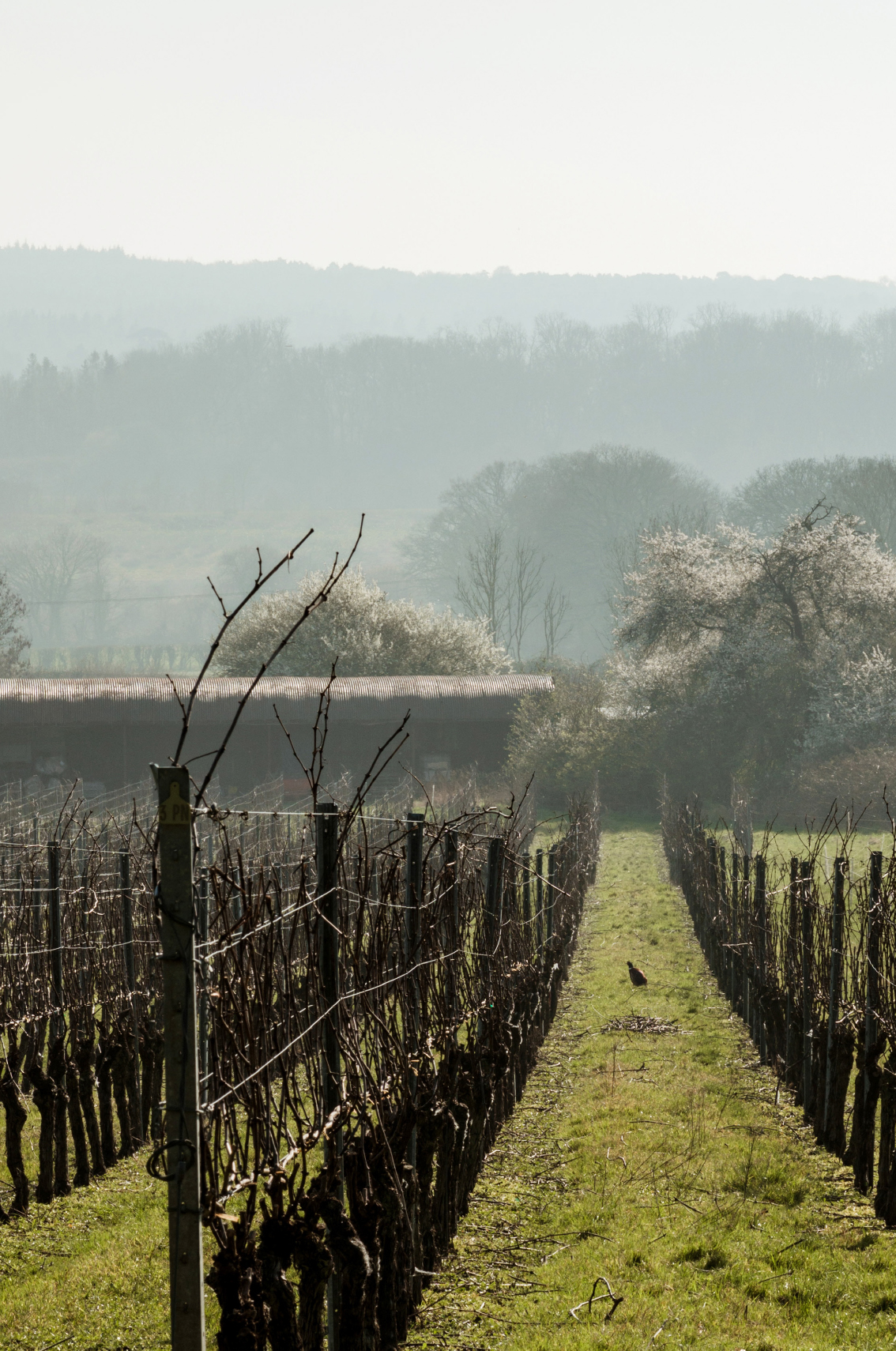
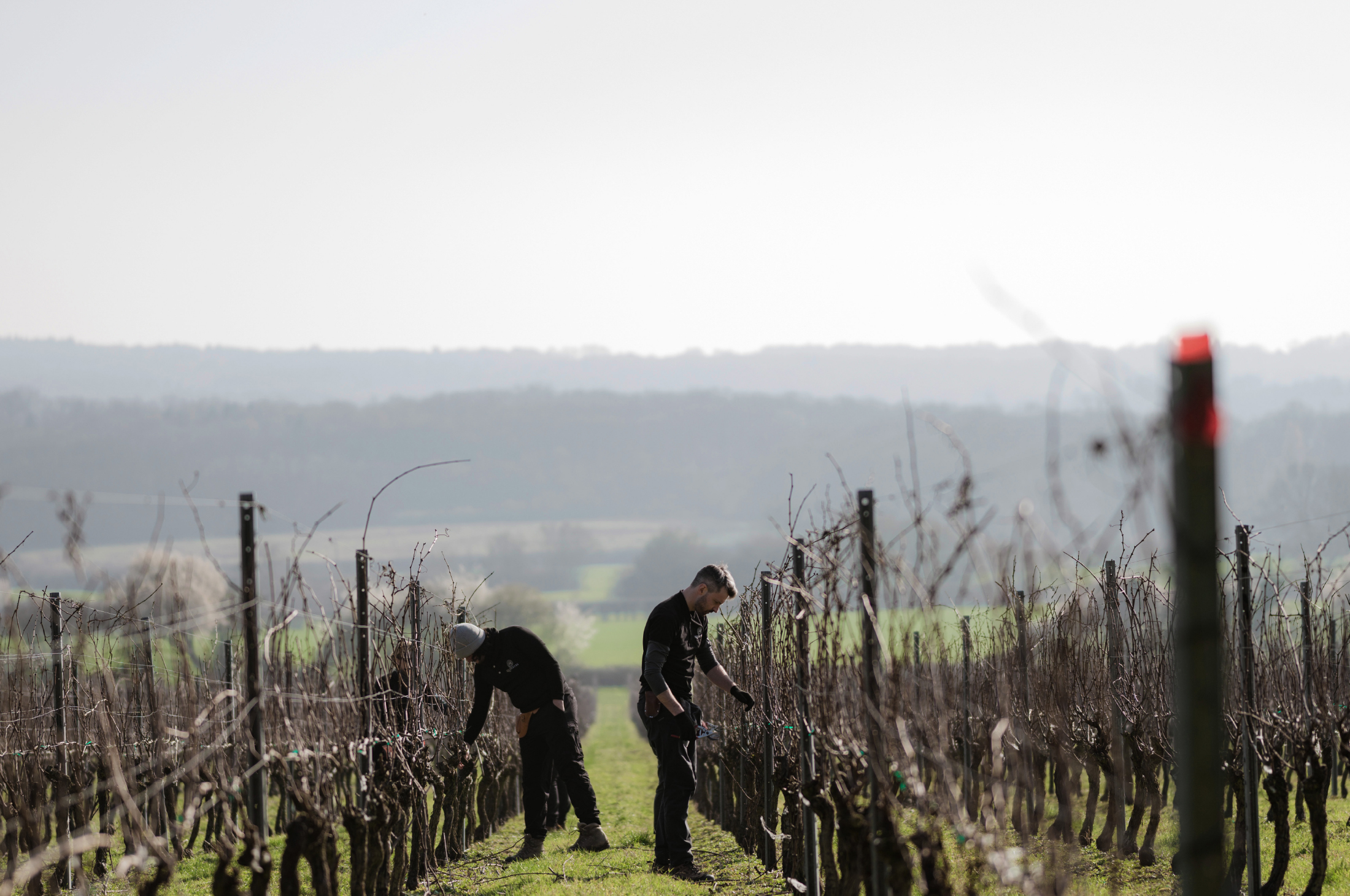
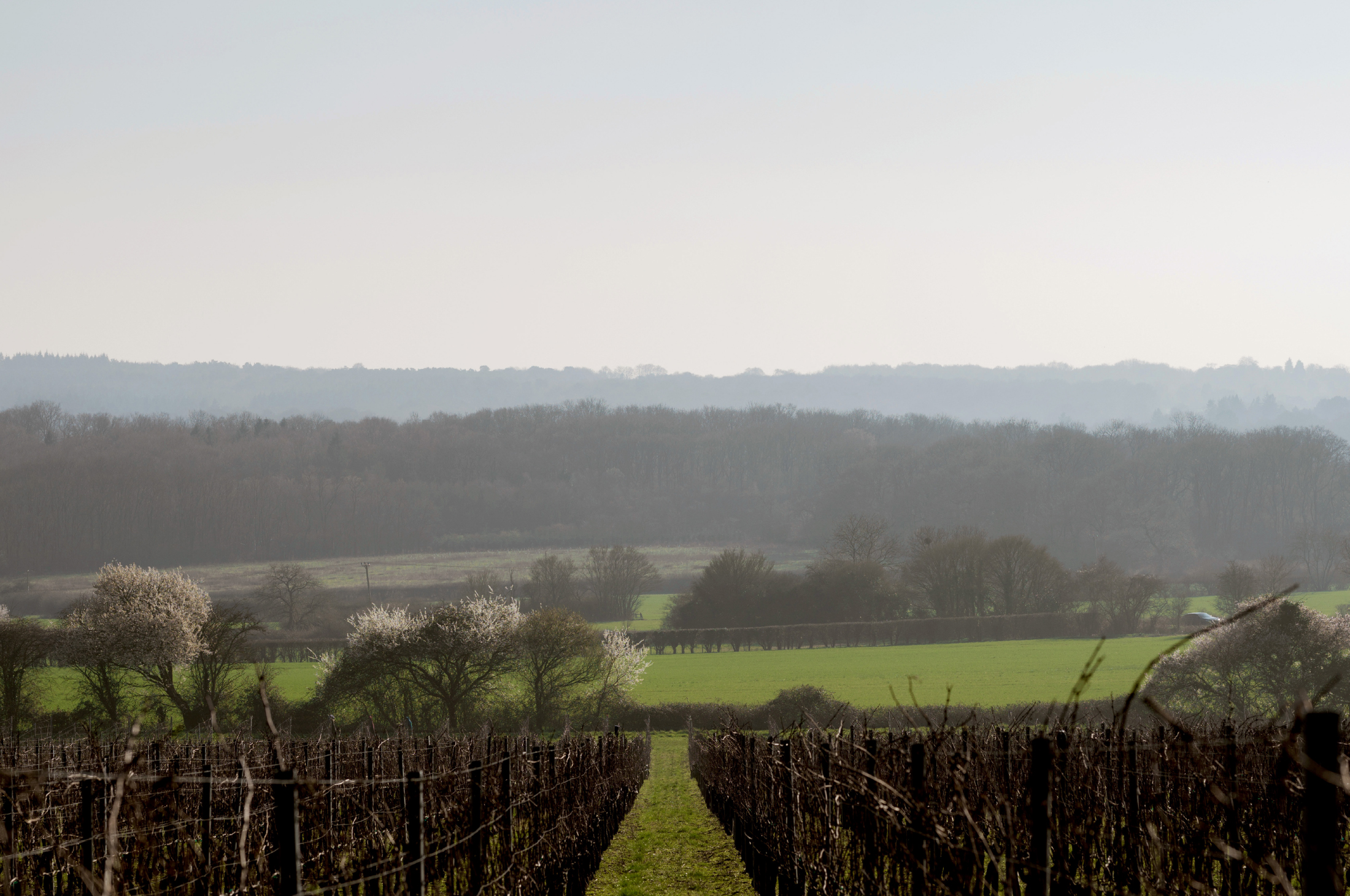
The vineyards, planted in 2006, were certainly an exciting new chapter for the estate, but they also represented something deeply practical. A visit from a Champagne house a couple of years earlier had highlighted what lay beneath the surface here: chalk soils, favourable aspect and a climate increasingly capable of producing exceptional sparkling wine. Although the proposed partnership never materialised, the idea lingered.
If the land was capable of producing something remarkable, why shouldn’t Squerryes do it themselves?
The decision wasn’t driven simply by opportunity.
It was driven by continuity.
“My job,” Henry says with a smile, “is to die well and pass it on.”
It is one of those rare sentences that hangs in the air for a moment before its significance fully lands.
Most businesses measure success in years. Some think a decade ahead. Henry instinctively measures time in generations.
He describes it as being handed a baton. You run your race, look after what you’ve inherited as best you can, then pass it on to whoever comes next. It is a wonderfully understated way of describing the responsibility of caring for an estate that has already outlived countless lifetimes and, with careful stewardship, may continue for countless more.
The vineyard suddenly makes perfect sense.
It was never simply about producing wine.
It was about giving the estate another future.
Eventually, our conversation settles around the dining table with a glass of Squerryes’ sparkling wine.
In one sense, this is the reason I’ve been invited here. Squerryes is preparing to release Patience, a wine more than a decade in the making, and one that has already attracted enthusiastic praise from those fortunate enough to taste it ahead of its official launch.
Yet, by this point, it no longer feels like the beginning of the story.
It feels like its natural conclusion.
“Eight years ago,” Henry says, “I suddenly thought to myself, wouldn’t it be fantastic to create a wine called Patience?”
The name had been waiting for him all along.
On one level, it honours the man whose portrait still watches over the entrance hall. On another, it perfectly describes the process of creating the wine itself. But perhaps more importantly, it reflects the philosophy that seems to run quietly through everything Squerryes does.
Nothing here feels rushed.
The vines were planted with people in mind who had not yet arrived. The estate continues to evolve because each generation accepts that adaptation is part of preservation. Even the wine itself asks to be left alone for far longer than convention demands.
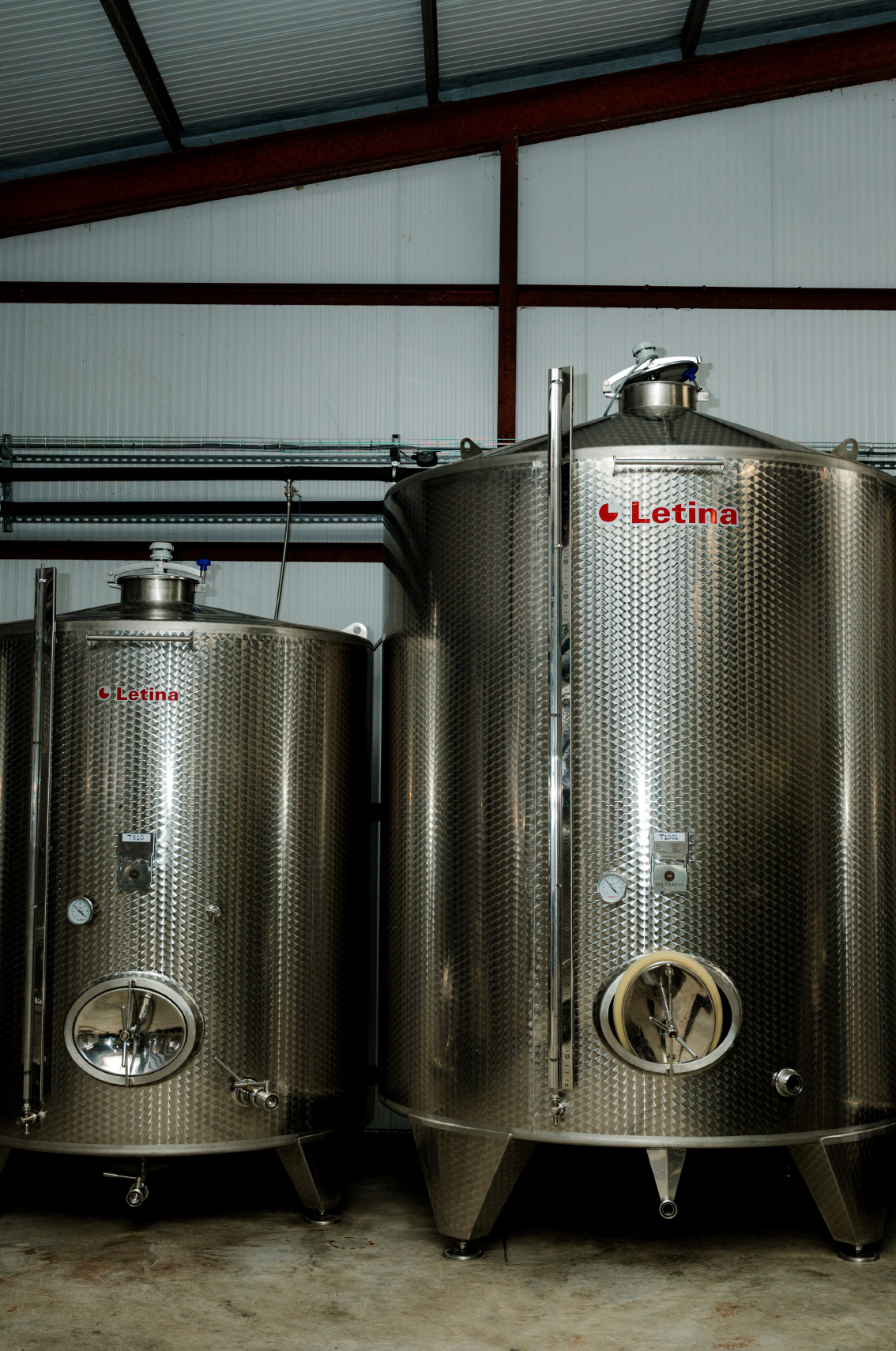
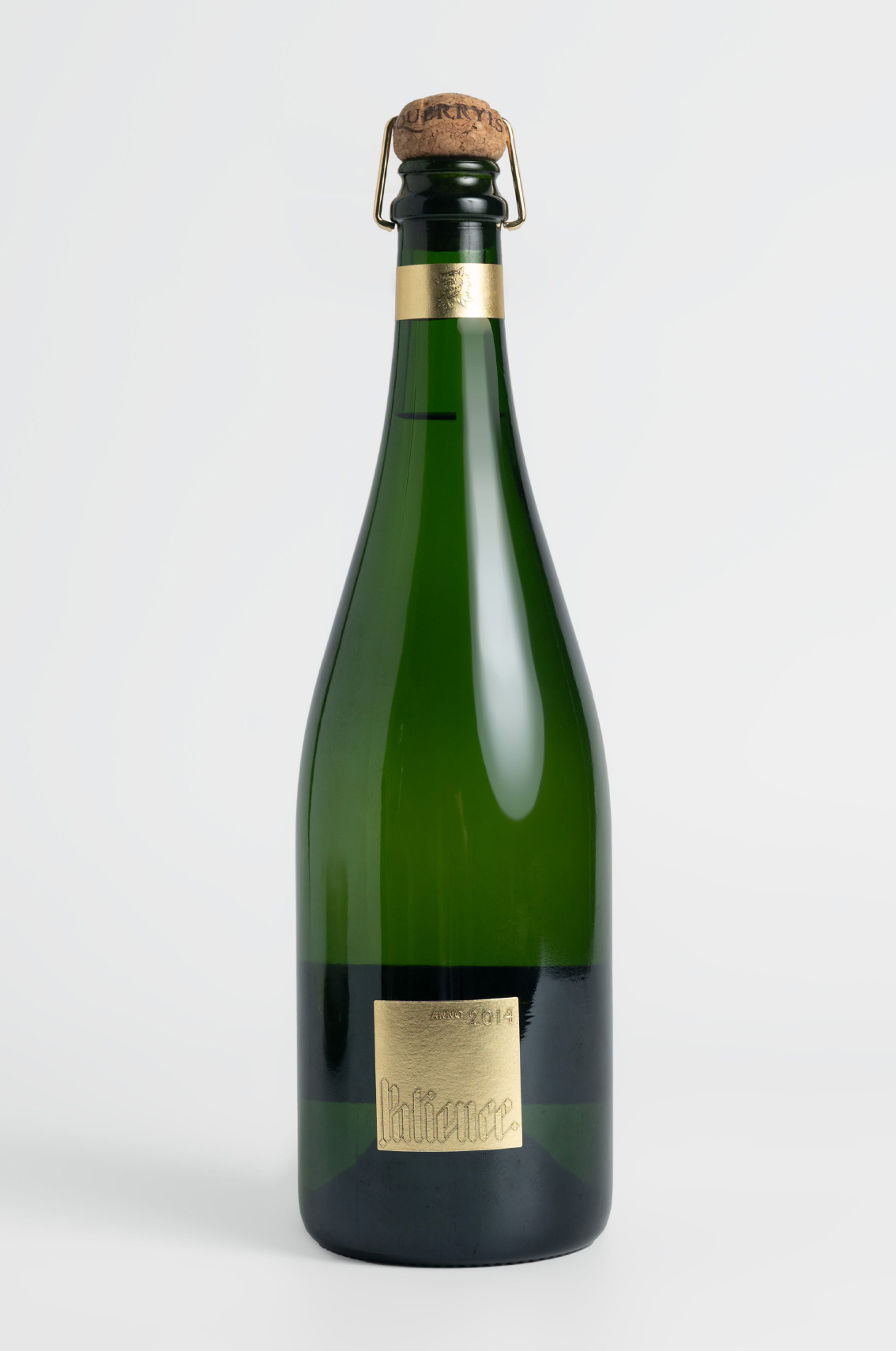
The 2014 vintage of Patience has spent more than one hundred months resting on its lees before release. During that time, the wine has slowly developed the richness, texture and complexity that only extended ageing can produce.
Henry explains the process with infectious enthusiasm, but never in a way that feels intimidating. Individual parcels from the vineyard are tasted separately before the final blend is assembled. The wine undergoes its second fermentation in bottle before quietly continuing its journey for almost a decade.
Time, he suggests, is not an obstacle to overcome.
It is an ingredient.
As someone whose appreciation of wine comes more from curiosity than technical expertise, I find that a reassuring approach.
I can honestly say I enjoyed drinking Patience. Beyond that, I’m more than happy to leave tasting notes, scores and technical analysis to people far better qualified than me. Thankfully, many of those people have already done exactly that. Early tastings have placed Patience alongside some of England’s most celebrated sparkling wines, with experienced critics recognising not only its quality but also its confidence.
Henry admits those first tastings were surprisingly nerve-racking.
“You turn up completely naked,” he laughs. “‘Well… this is it. What do you think?'”
It is an unexpectedly vulnerable admission.
After all, by the time those bottles reached the tasting room, the decisions had been made years earlier. The fruit had been picked in 2014. The blend chosen. The wine committed to bottle. For nearly a decade there was nothing left to do except wait and trust the judgement that had been made all those years before.
There is something wonderfully fitting about that.
Patience, it seems, demands patience from its maker as much as its drinker.
Henry is equally clear about something else.
Squerryes is not trying to make Champagne.
“We don’t want to be some sort of tribute act,” he says with a smile.
The comparison is unavoidable, of course. The same three classic grape varieties are grown on the chalk that stretches beneath both regions. Traditional bottle fermentation follows the same painstaking principles. Yet Henry’s excitement lies elsewhere.
He wants the wine to taste unmistakably English.
England’s cooler climate allows fruit to ripen slowly, preserving the bright acidity that gives sparkling wine its energy while allowing flavours to develop gradually over a long growing season. Rather than trying to imitate somewhere else, Patience embraces the qualities that only this landscape can produce.
Listening to Henry, it strikes me that confidence has quietly become one of English wine’s defining characteristics.
The conversation is no longer about whether it belongs on the world’s stage.
It is about expressing a sense of place honestly and without apology.
That quiet confidence feels entirely in keeping with Squerryes itself.
For all the history surrounding us, there is remarkably little interest in looking backwards.
Everything Henry talks about ultimately points forwards.
Even Patience.
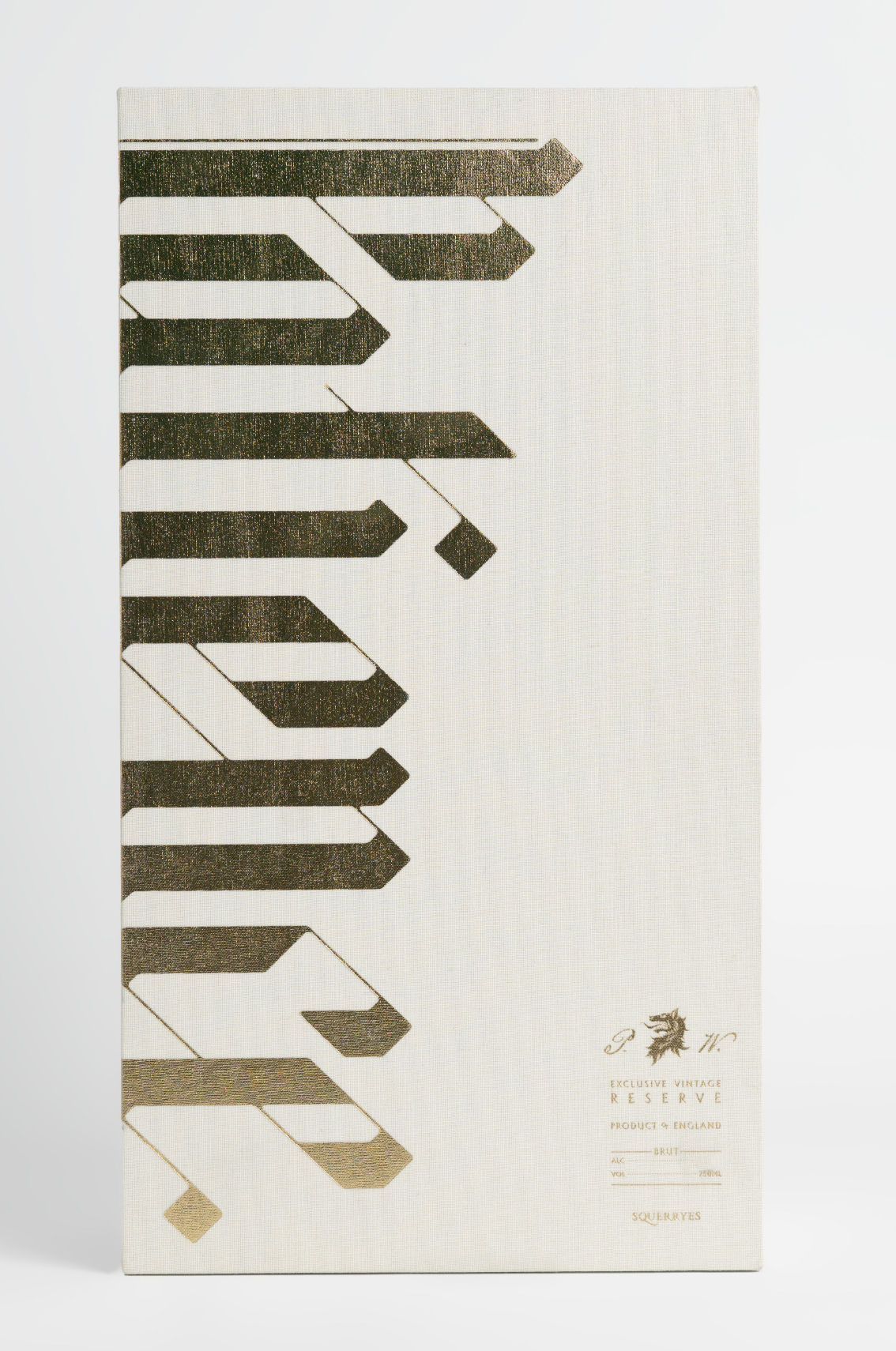
I think one of my favourite moments in the interview comes not when we discuss the wine itself, but when Henry reaches for the presentation box.
He doesn’t begin by talking about craftsmanship or luxury.
Instead, he talks about occasions.
Weddings.
Anniversaries.
The arrival of a child.
A retirement.
The kinds of moments that families remember long after the last glass has been poured.
Henry places the presentation box on the table between us.
It is an unhurried moment.
There is no unnecessary ceremony, only the quiet confidence of someone introducing an idea that has occupied his thoughts for years.
The lid lifts to reveal the bottle resting neatly inside. Henry removes both the bottle and its internal housing before placing the empty box back on the table.
“This,” he says, smiling, “is the important part.”
The wine may have been the reason for creating it, but the box has been designed with a much longer life in mind. Once the bottle has been opened, it becomes somewhere to keep the cork, photographs, handwritten notes or the small keepsakes that naturally gather around life’s most important occasions.
It becomes a memory box.
A vessel for another story.
The idea is beautifully simple.
Every family owns objects whose value has little to do with what they are made from. A faded photograph. A wedding invitation. A child’s first drawing. They survive because they hold a moment that would otherwise fade with time.
Henry hopes this box might quietly become one of those objects.
It is an unusual ambition for a wine producer.
Most presentation packaging is designed to enhance the moment a bottle is purchased. This has been designed to also ensure that part of the experience continues long after the final glass has been poured.
It is another expression of the long view.
As our conversation draws to a close, I find myself thinking back to the portrait of Patience hanging above the fireplace.
When Henry first began telling me about his ancestor, I assumed I was listening to family history.
Now it feels more like an introduction.
The same qualities that shaped Patience’s life – conviction, resilience and a willingness to think beyond immediate reward – seem to echo quietly throughout the estate today.
Not because anyone is trying to recreate the past, but because each generation has interpreted those values in its own way.
For Henry’s generation, that interpretation has become a vineyard.
It has become a wine.
It has become an estate willing to evolve rather than simply endure.
There is a temptation, when writing about places like Squerryes, to focus on heritage alone.
The house.
The portraits.
The collections.
The centuries of family history.
But that would miss the point.
Heritage, on its own, has little value if it simply looks backwards.
What makes Squerryes compelling is the way history is being used to shape the future.
The vineyard exists because adaptation was recognised as essential. Patience exists because someone was prepared to delay gratification in pursuit of something better. Even the presentation box asks its owner to think beyond the celebration itself and consider the memories that will remain long afterwards.
Everything here seems quietly connected by the same thread.
Before I leave, Henry pauses beneath the stained-glass window above the entrance.
Set into the glass is the Warde family motto.
Licet Esse Beatis.
It is permitted to be joyful.
It feels like the perfect thought on which to end the day.
Because Patience is not really a story about waiting.
It is a story about believing that some things are worth waiting for.
A vineyard planted not for the present, but for the generations that follow.
A bottle allowed to mature for more than a decade before anyone is invited to taste it.
A family home that continues to gather stories rather than simply preserve them.
And a wine intended not for ordinary evenings, but for those rare occasions that become part of a family’s own history.
As I drive away from Squerryes, I realise that Henry never once tried to convince me that Patience was an exceptional wine.
He didn’t need to.
Others, with far greater expertise than mine, are already beginning to make that judgement.
Instead, he showed me why the wine exists.
In doing so, he revealed something far more interesting.
The finest things are rarely created in a hurry. They emerge from years of quiet decisions, careful stewardship and the confidence to think beyond the present moment.
For nearly three centuries, that has been the story of Squerryes.
Patience simply gives it a voice.
Click here to purchase Patience
Click here to learn more about Squerryes