


Long before “farm to table” became a modern mantra, Kent’s great estates were growing their own produce within the shelter of walled gardens and glasshouses, supplying kitchens just steps away. At Hurst House, that tradition is taking root once more. Part of this extensive garden restoration project has been the revival of a lost food culture – one that once defined the Garden of England. At its centre are two rare Victorian glasshouses by Thomas Messenger & Co., the celebrated makers behind structures at estates including Hever, Arundel, Woburn and Chatsworth. Now carefully restored by AJ and her husband, they are not just architectural treasures, but the beating heart of a renewed, hyper-local way of growing and eating.
When did you move in – and what first drew you to the property?
“We moved in in November 2021, so not that long ago. We were actually meant to be buying a plot above, but that fell through just before exchange. We’d already met the couple who owned this place, and they suggested we come and have a look. At first, we didn’t think it was right – we’d built our last house and it was very modern. But then we came here and I remember thinking, Oh my God… the garden is amazing. Or at least, it could be.
The previous owners had brought the house up to an incredibly high standard, but the garden was still a little neglected. That said, when they first arrived, everything was completely derelict – so what they achieved was remarkable.”
What did you see when you first explored the garden?
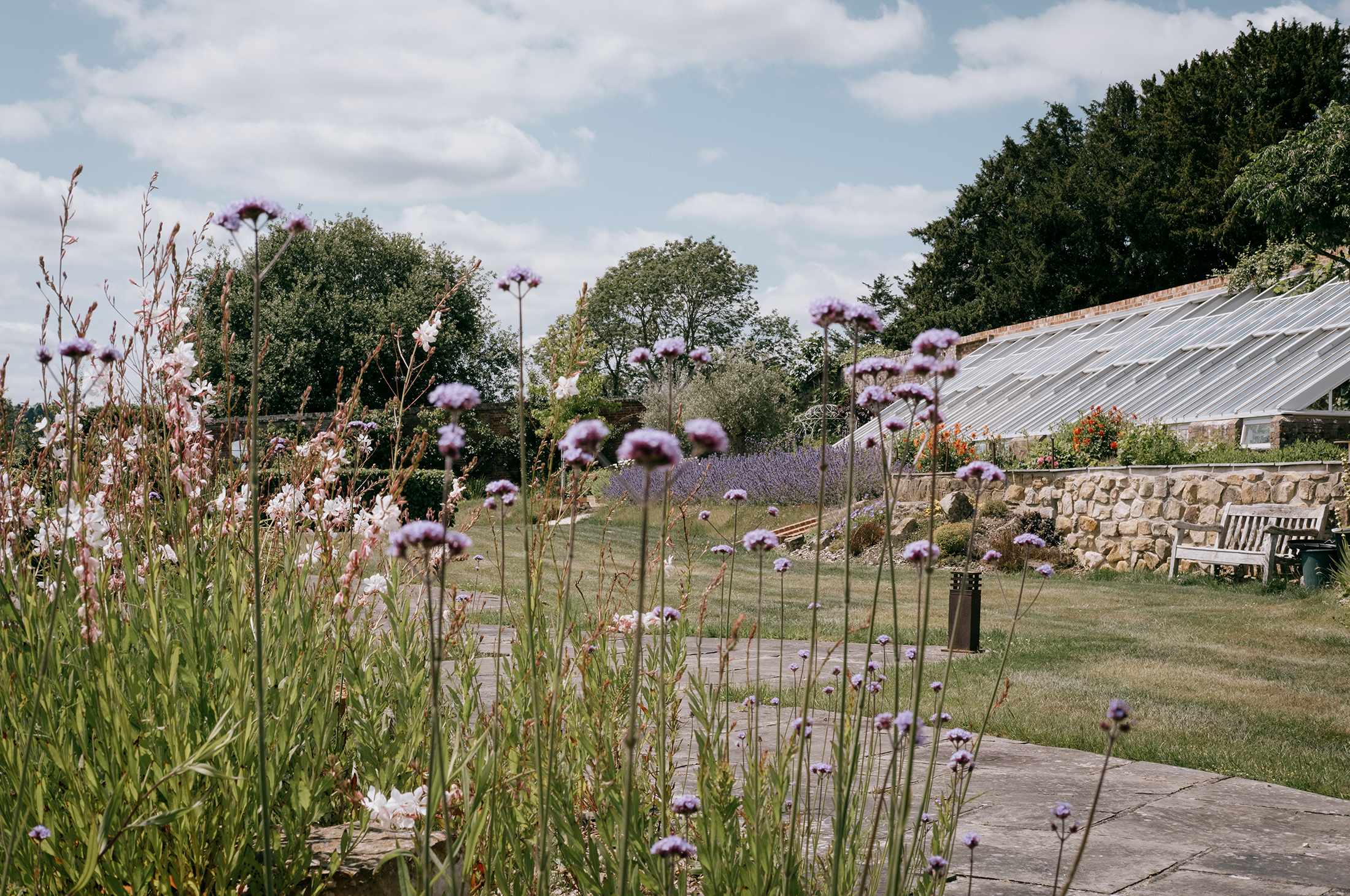
“Excitement, really. Some people might have thought it was too big a project, but I run a gardening company, so it was exactly what I was looking for. If it hadn’t needed the work, I probably wouldn’t have been interested.
There was a patio and some landscaping, but the vinery and greenhouses were completely derelict. Apart from a few original fruit trees – a peach trained against the wall, some roses – there was very little of what you see today. Mostly, it was weeds. Every kind imaginable.
It’s a large space – somewhere between two and a half and three acres within the garden wall. It hadn’t been properly loved for a long time, but we’re getting there.”
How does the garden connect to the area’s history?
“The garden was originally part of the Swaylands estate, which dates back to the late nineteenth century. It belonged to Edward Cropper, who brought in the architect George Devey to extend the house and gardens.
All the buildings along this lane were connected to the estate in some way. You can still see where the original garden wall extended – so this isn’t even the full extent of what was once here.”
What would have been grown here?
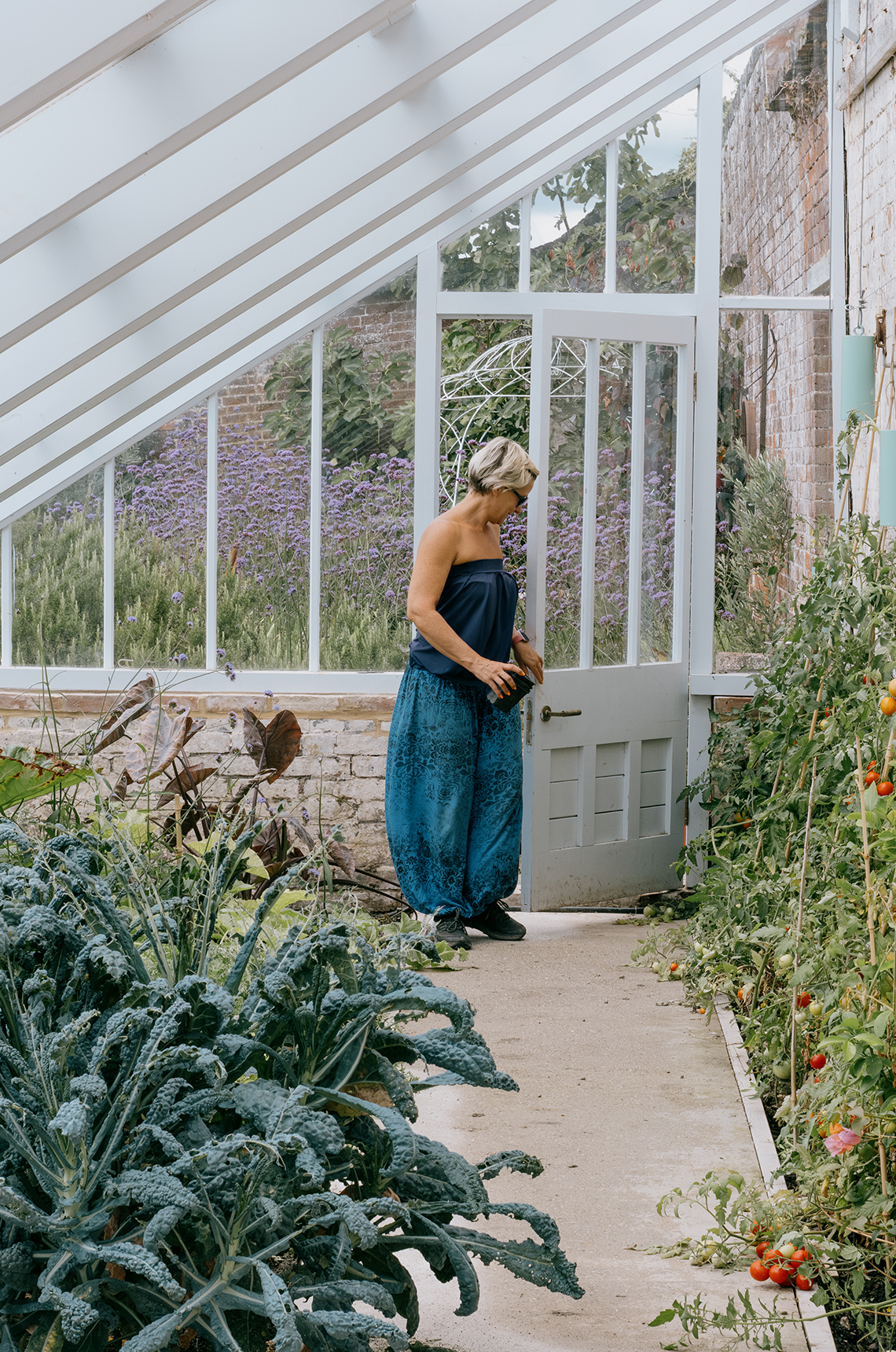
“Most likely vegetables – carrots, cabbages, that sort of thing. The vinery and greenhouses would have been used for more specialised crops. We suspect pineapples, and definitely grapes. There’s still an original vine growing today.
The vines would have been planted outside and trained through arches into the glasshouse, which is quite specific to vine growing. We even have an original delivery ledger that lists the vinery.”
What made you decide to restore the vinery?
“We always wanted to – but we did joke about how many children we’d need to sell to afford it. It’s not something that adds financial value, but we feel like custodians of this place. Restoring it is about giving something back – and preserving it for whoever comes next.
The vinery is about 20 metres long now, though originally it would have been double that. You can still see where it continued along the wall.”
What makes these structures so special?
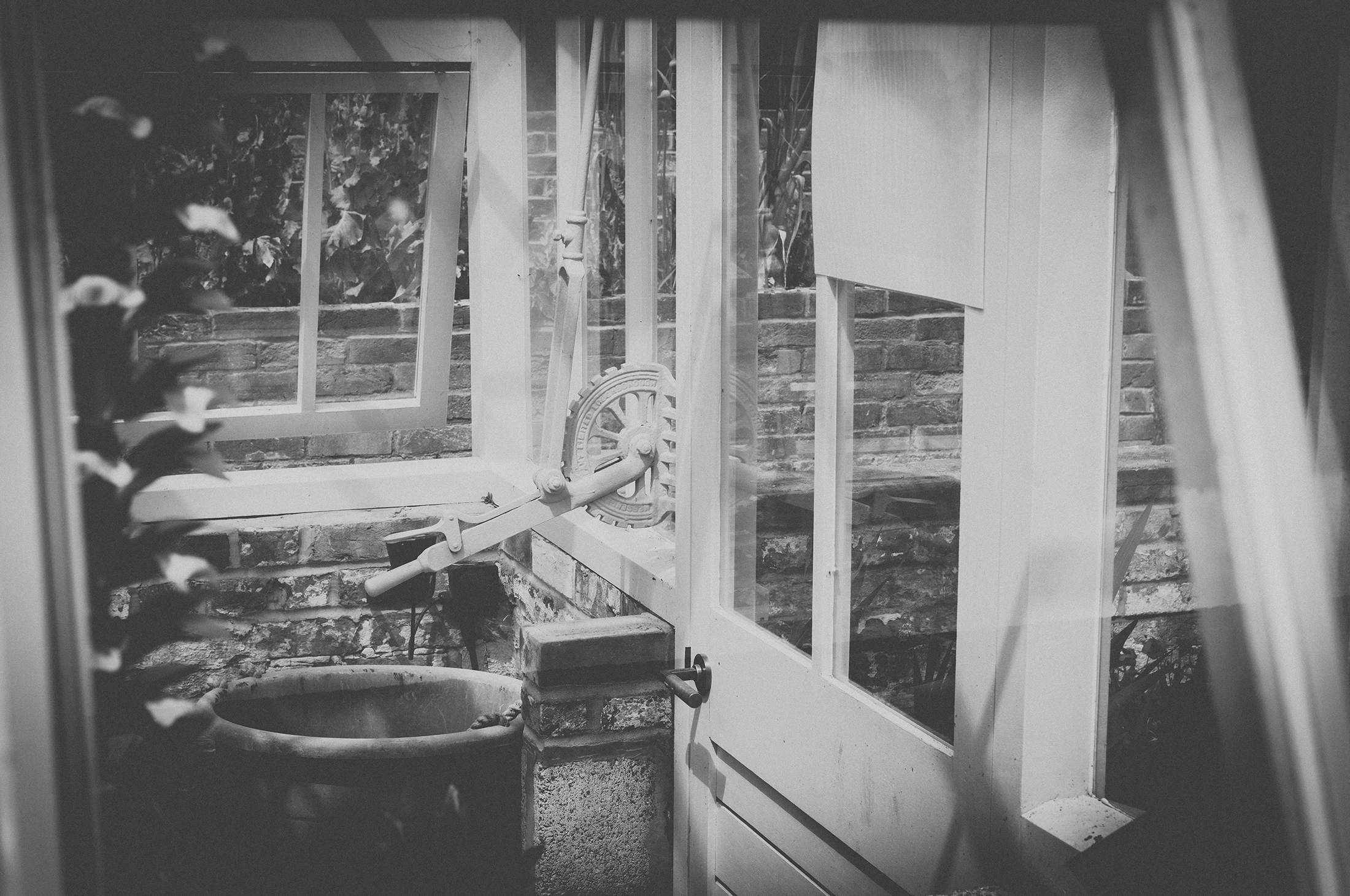
“They were made by Thomas Messenger & Co., which is quite unusual. The craftsmanship is incredible – the iron and timber framework, the scalloped glass that helps water run off. The Victorians really understood how to combine beauty and function.
Even the unseen details are extraordinary. There’s an underground heating tunnel that’s still intact – and beautiful in its own right.”
What are you growing under glass now?
“We still have the original vine, so we get a lot of grapes – and at the moment, we mostly just eat them. No homemade wine yet, although we do have the kit.
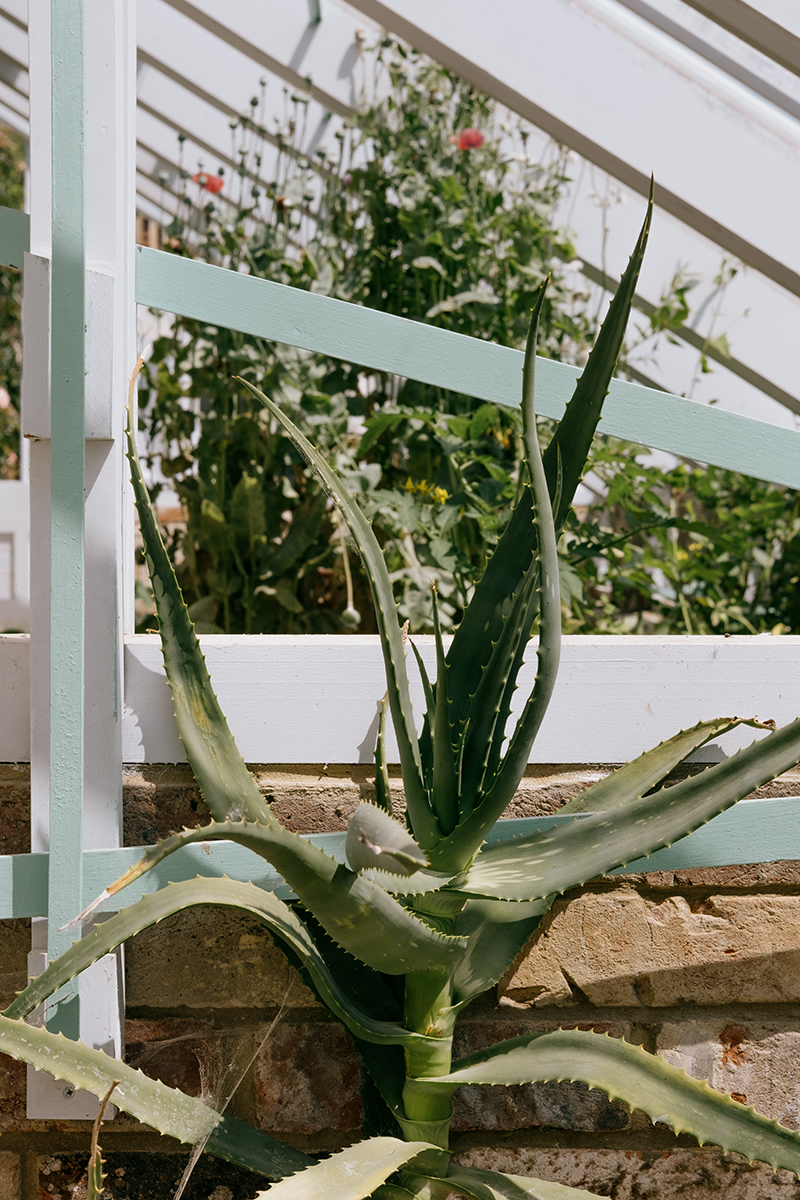
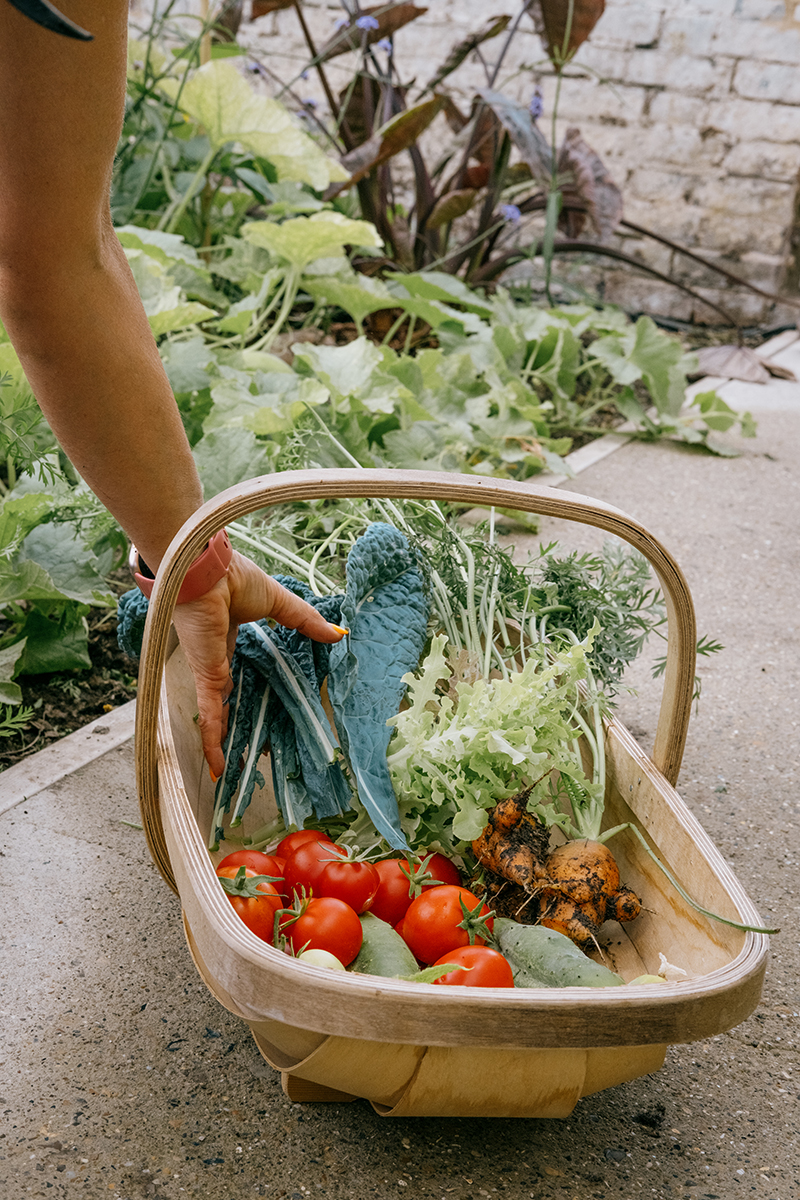
Alongside that, I’ve planted nectarines, strawberries, kiwi and melons. The melons were amazing last year – I planted three and harvested about 50.
Sometimes I take shortcuts. I squashed a few melons and tomatoes back into the soil to see what would happen – and now I’ve got thousands. It’s all about the conditions.”
How hands-on is it to manage?
“The temperature is controlled with sash windows on weights and side vents with levers. So technically, I’m in charge… but in reality, I’m quite a lazy keeper of the temperature. I open and close things when I remember.”
Where did your love of gardening begin?
“My grandmother was a passionate gardener. Apparently, as a toddler, I used to recite Latin plant names – Spiraea ‘Anthony Waterer’ was one of my first sentences, or so I’m told.
I’ve never had formal training. Everything I know comes from her.”
What keeps you drawn to it?
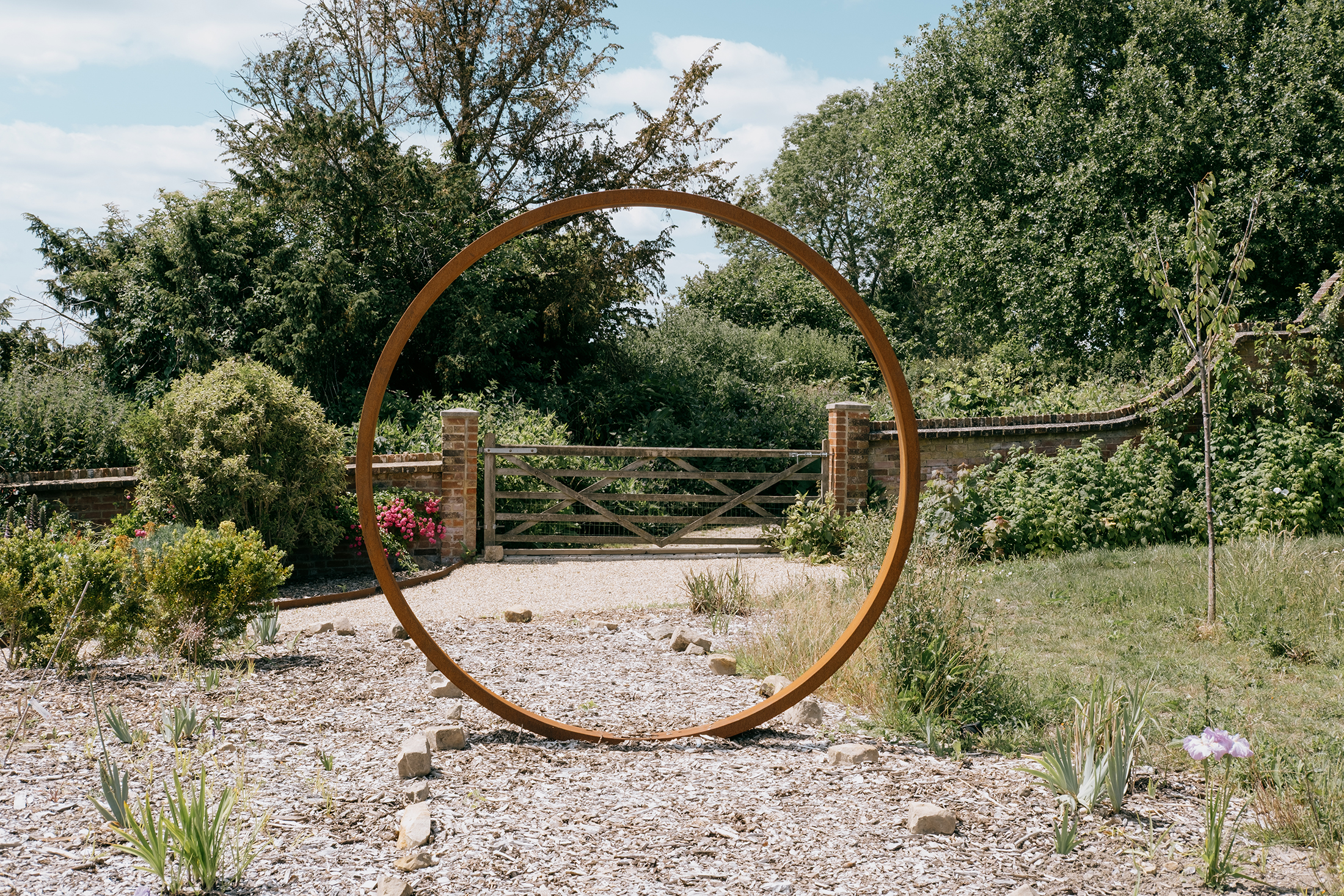
“It’s creative. My background is in art—I studied metalwork sculpture and I still paint. Gardening feels like another way of expressing that.
I’d love to bring metalwork into the garden at some point. There’s a workshop down the road, so I might see if I can brush up my welding skills… although last time I tried, I burnt a hole through my foot. So we’ll see.”
What does the future of the garden look like?
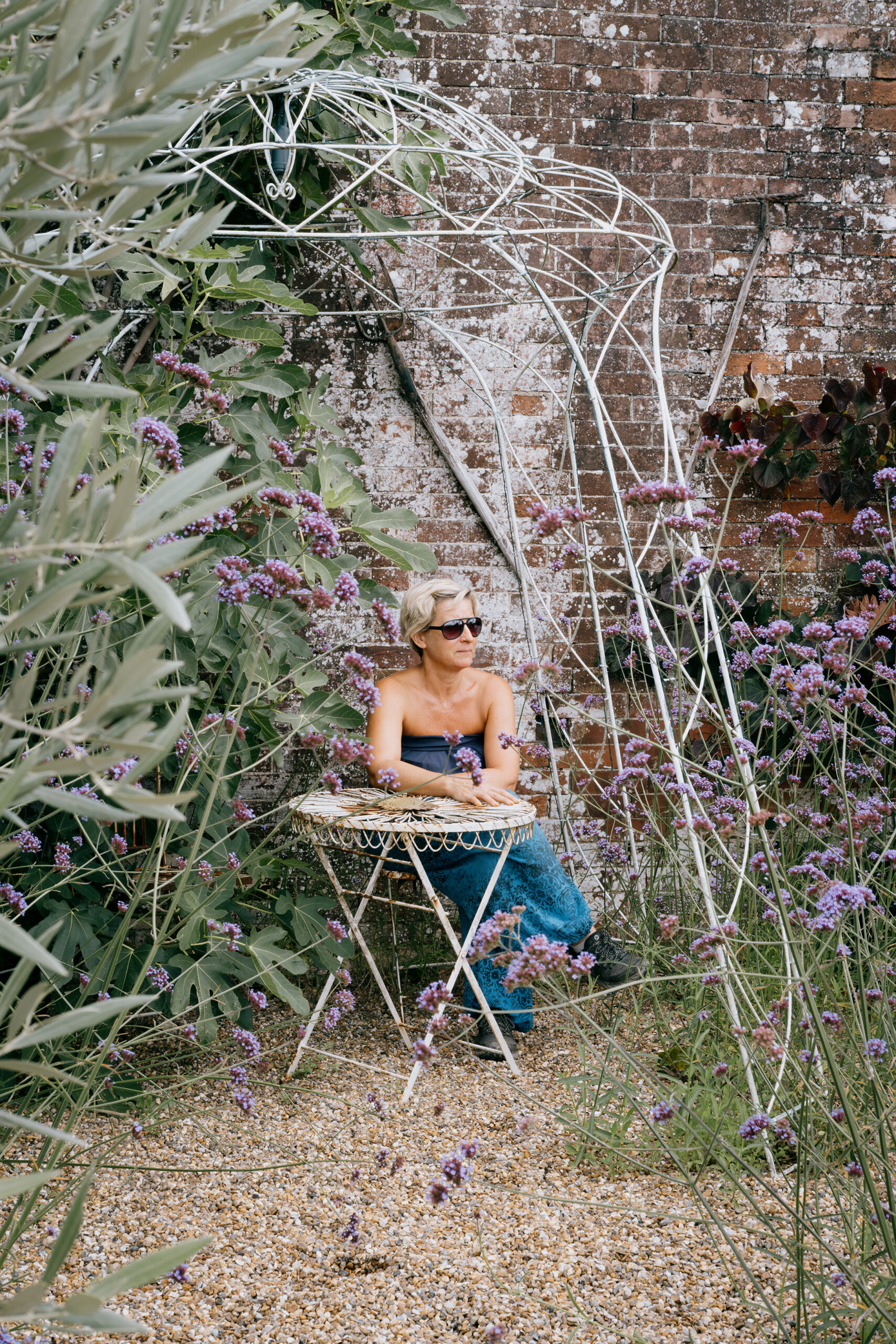
“It’s still evolving. What was once derelict is becoming productive again – grapes, fruit under glass, borders slowly filling out.
It doesn’t feel like a finished project, and I don’t think it ever will. Gardens like this are shaped over time, by different people. We’re just part of that story – bringing it back to life, one season at a time.”
Photography: Matt Christmas