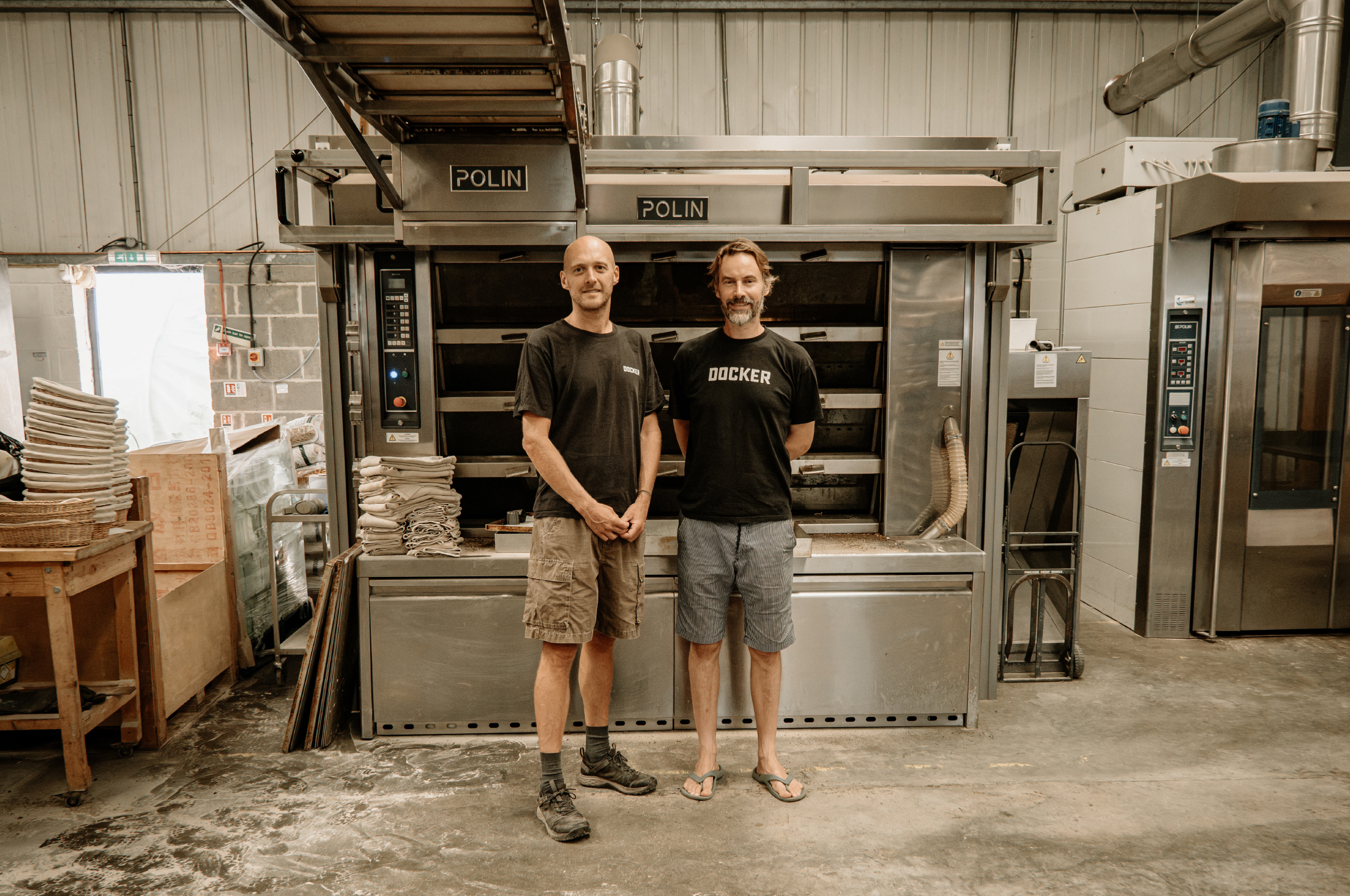


Ten years after Docker began life in a shipping container on Folkestone Harbour, the bakery has grown into something its founders never really planned for, with a new site in Dover now about to open. We spend time with co-founder Wes to discover what has changed along the way – and, perhaps more importantly, what hasn’t.
A seagull complains loudly as someone ushers it from the yard outside Docker’s bakery in Folkestone.
Inside, the day is already underway.
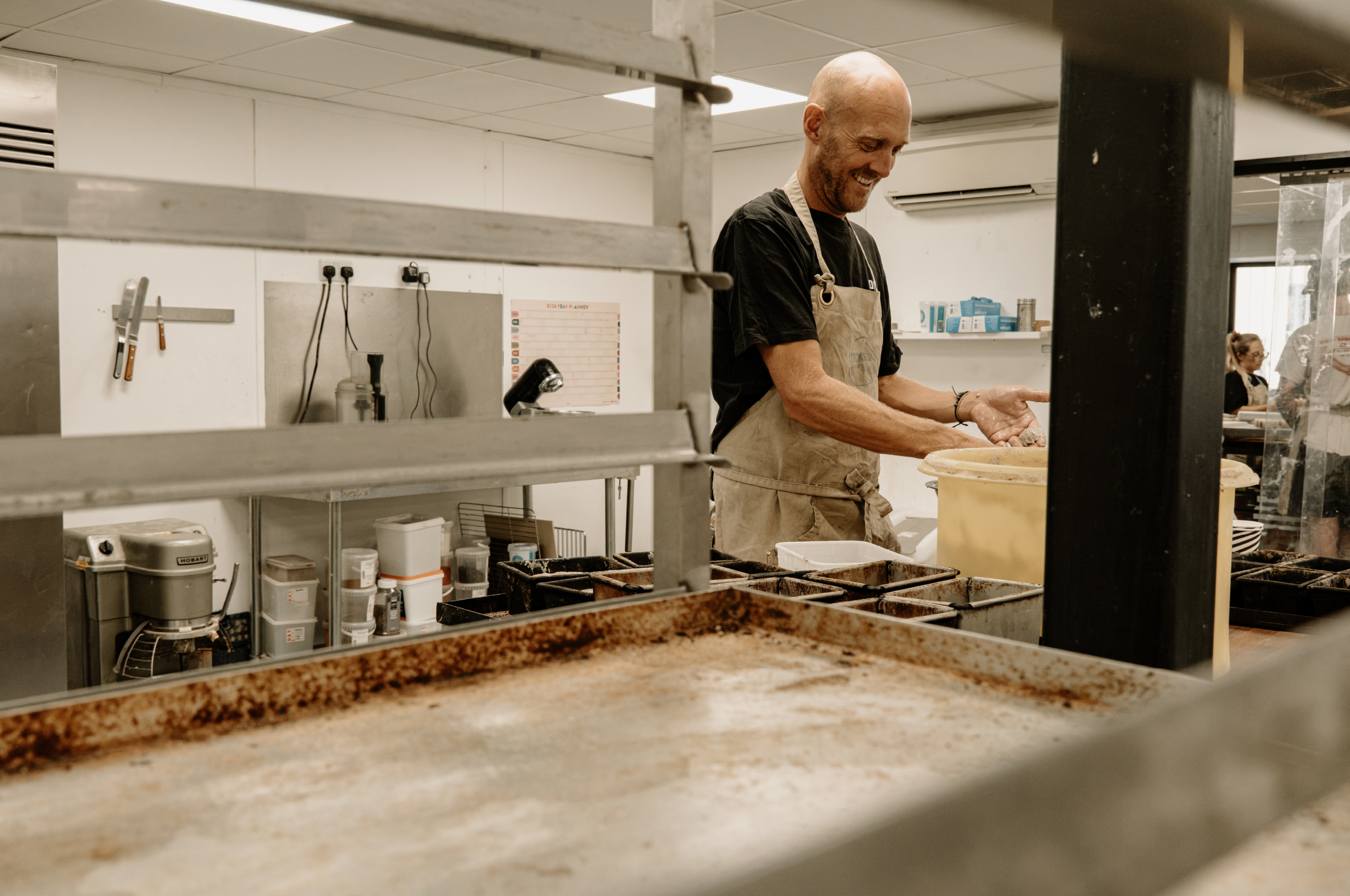
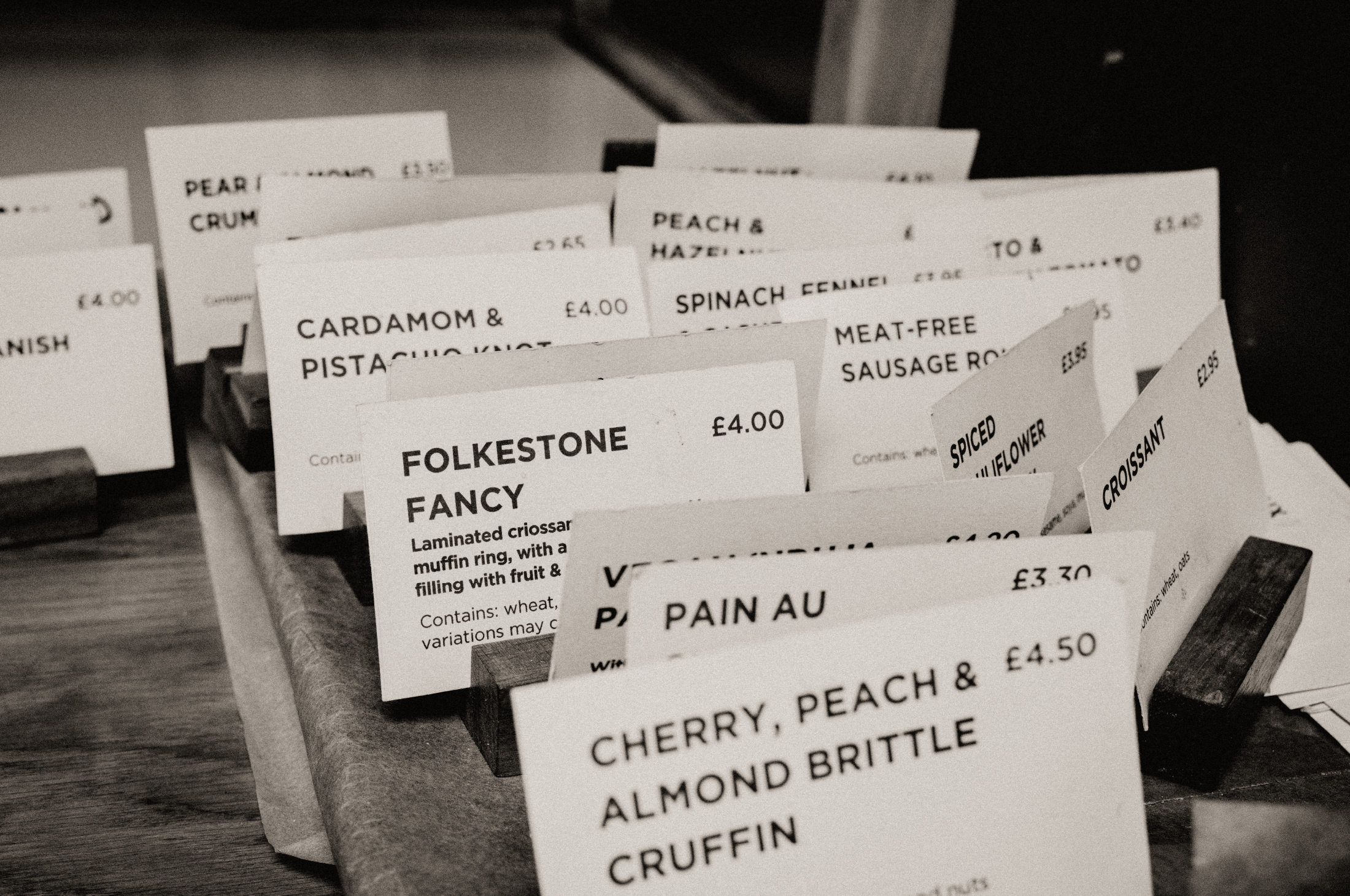
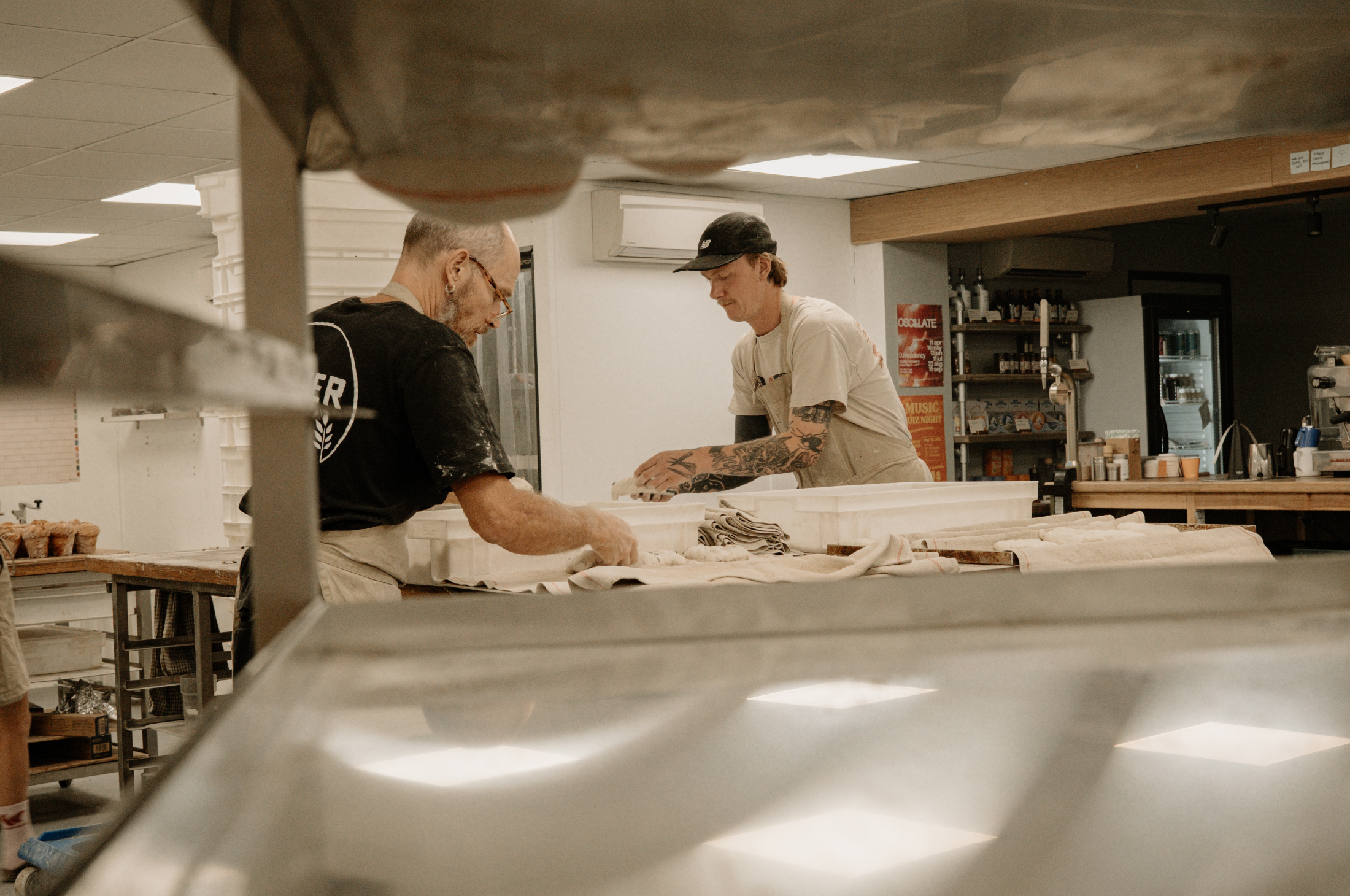
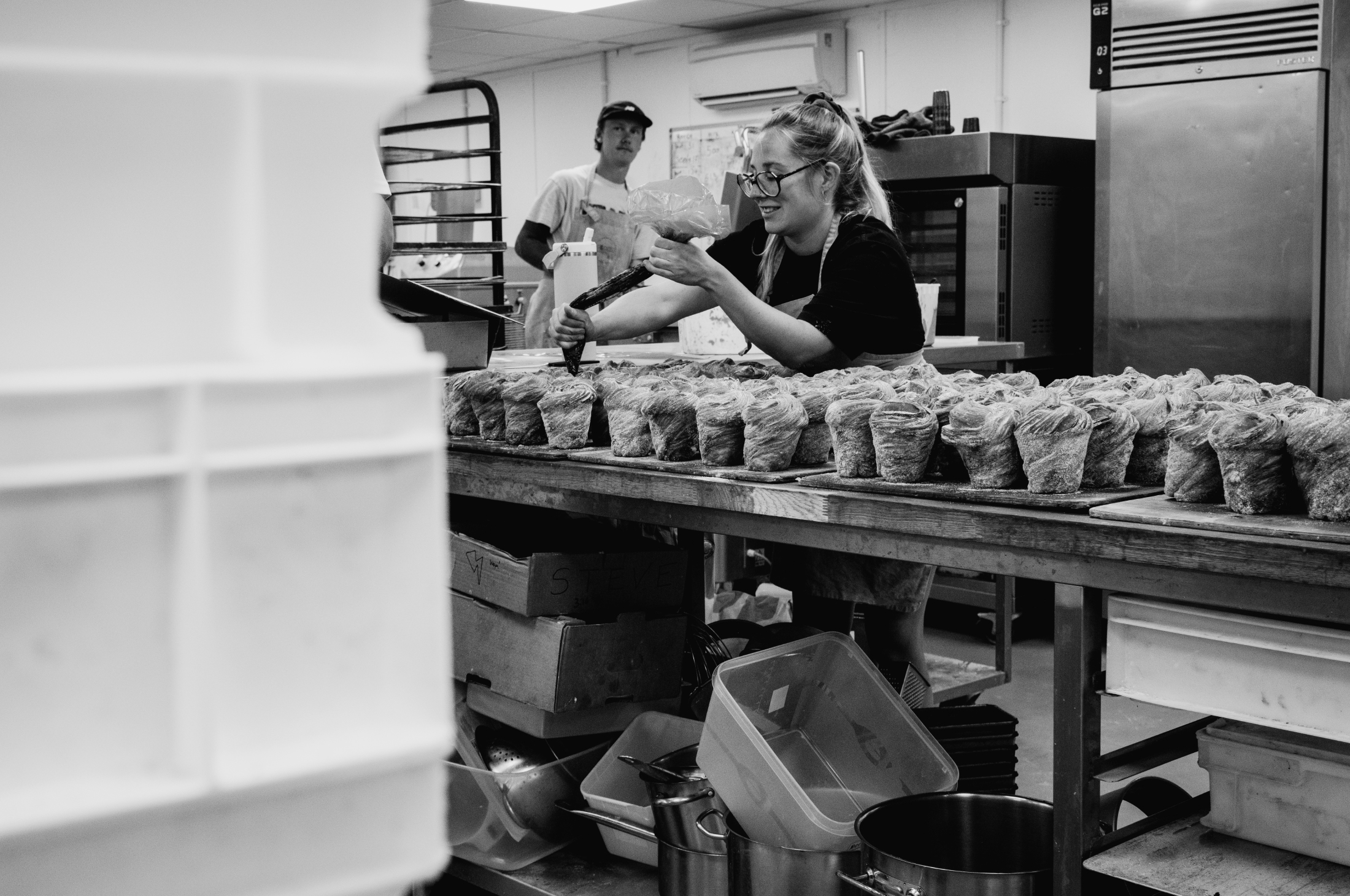
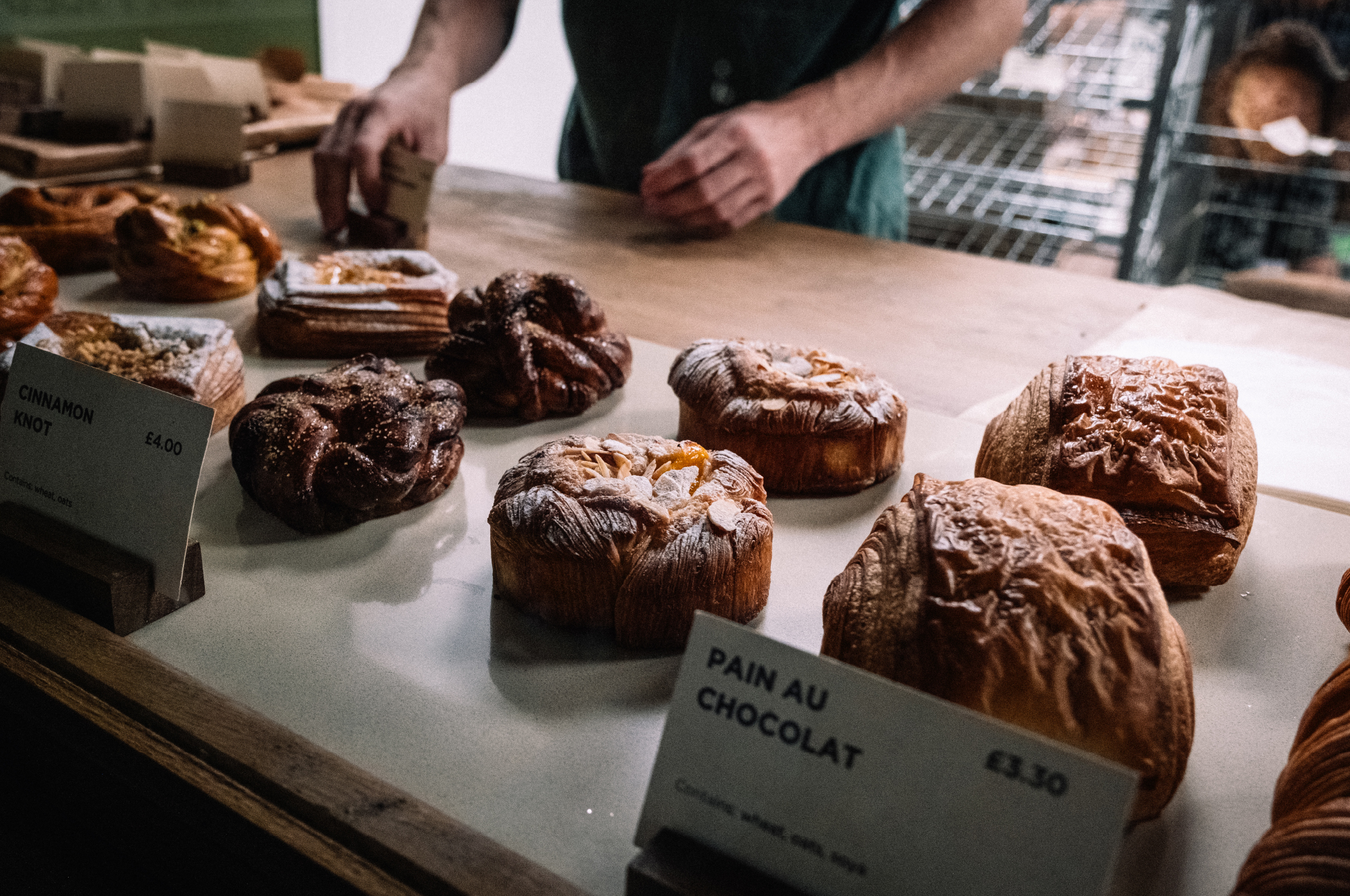
Customers drift in for coffee and bread while, behind the counter, bakers work steadily at long benches, shaping dough with the quiet familiarity that comes from repetition. Conversations rise and fall between colleagues and customers. There is movement everywhere, yet nothing feels hurried.
The bakery has found its own rhythm.
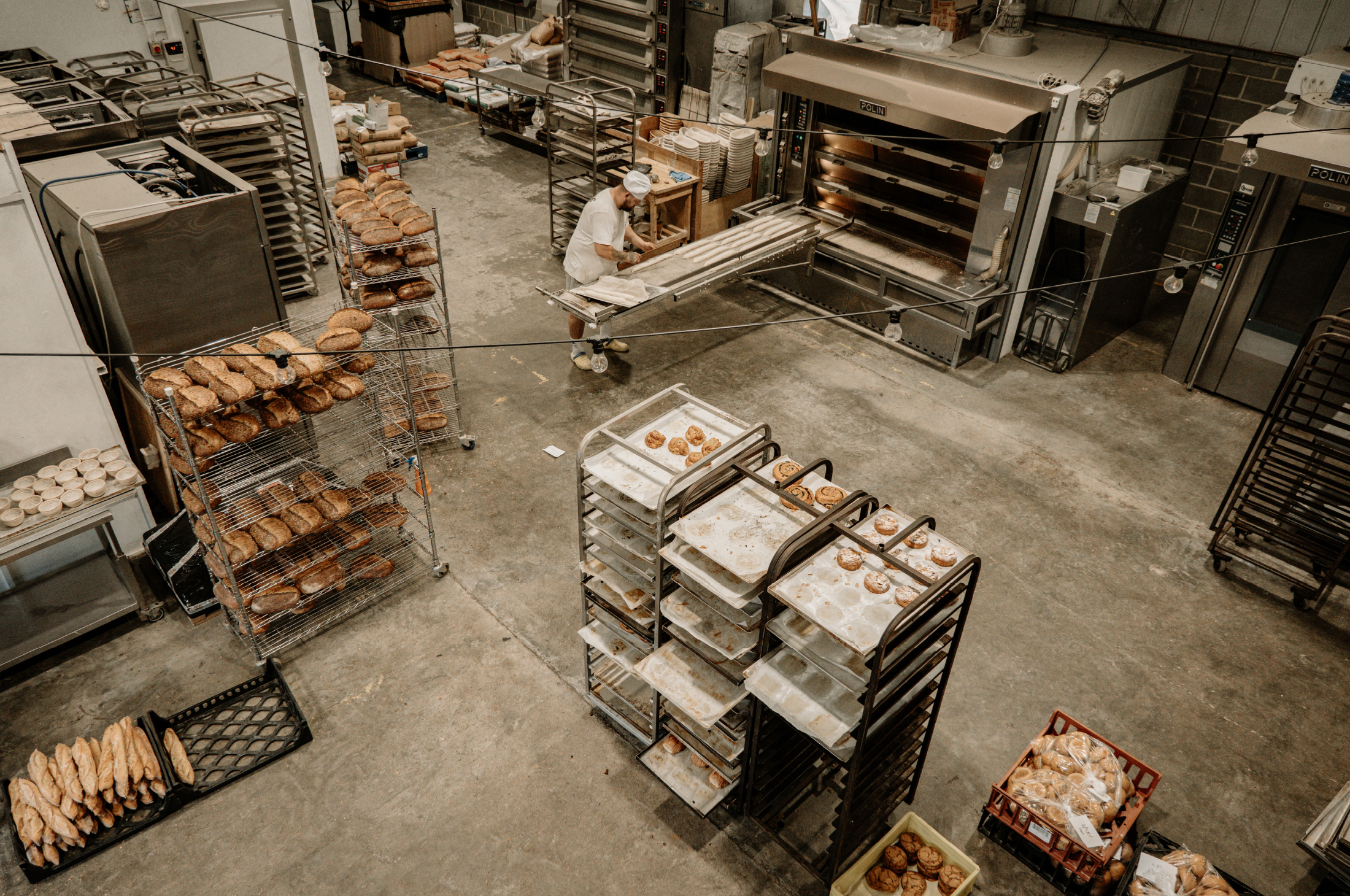
Away from the public counter, the rest of Docker quietly reveals itself. Two well-used ovens sit at one end of the production bakery, large enough to bake dozens of loaves at a time. Their steel doors carry the marks of their daily use. Nearby, Wes’ office is modest, functional and unmistakably part of the working bakery. Draped over the back of his chair is a flour-marked apron, left there after yesterday’s shift.
No one points it out.
No one needs to.
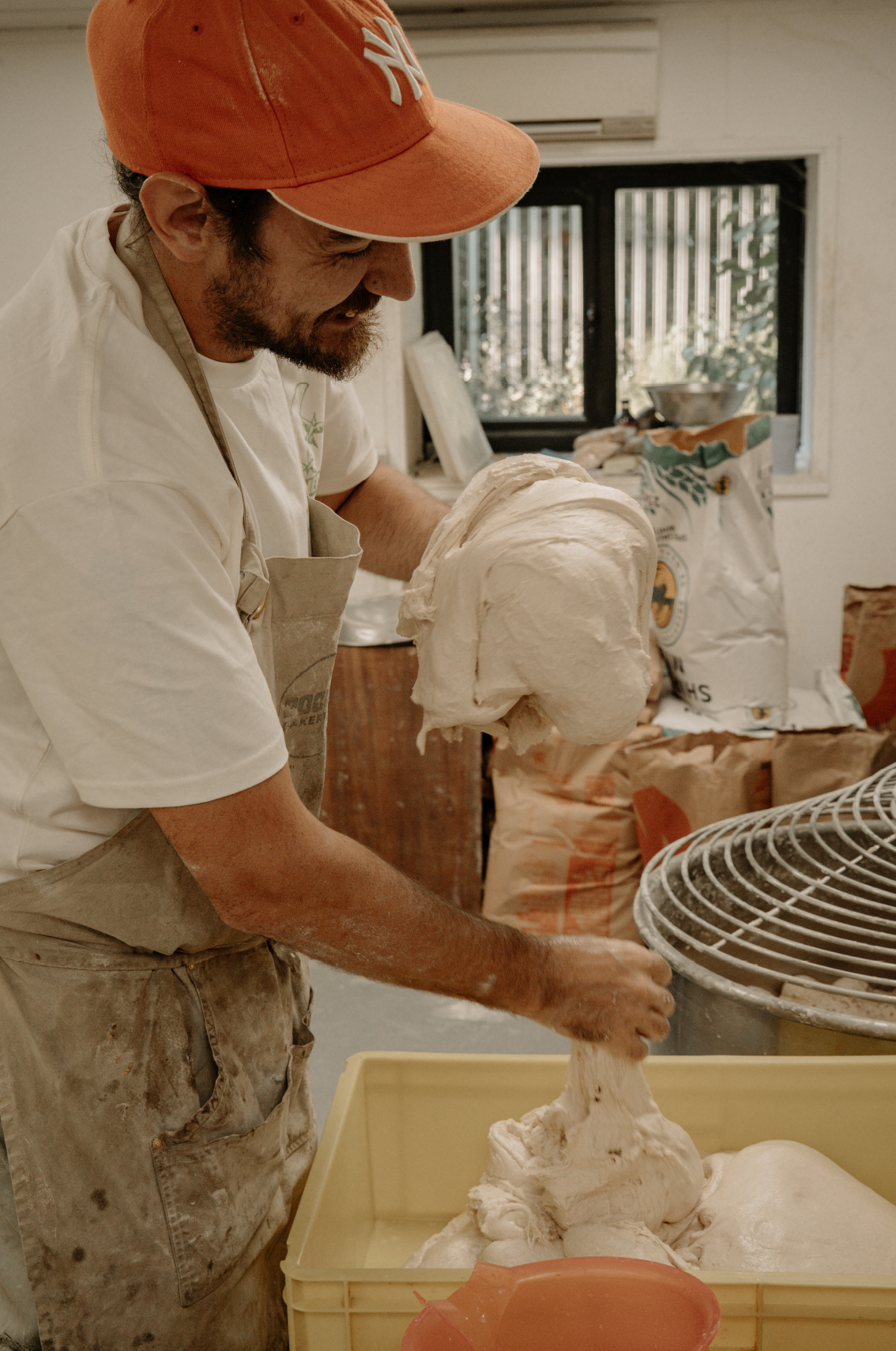
Docker is celebrating its tenth year in business. The milestones are easy enough to trace: a shipping container on Folkestone Harbour, a move to West Hythe as demand outgrew the space, and now a bakery back in Folkestone with room to bake, serve customers and continue growing.
Yet, after spending time with Wes, those milestones begin to feel almost incidental.
He and his business partner, Pete, arrived here from careers spent building things in the digital world. Docker itself began without a grand plan; just two friends curious enough to see whether a shared interest in bread and beer might become something more.
People enjoyed what they made.
So they made more.
They needed more space.
Then more people.
Listening to Wes describe those early years, growth sounds less like ambition than consequence.
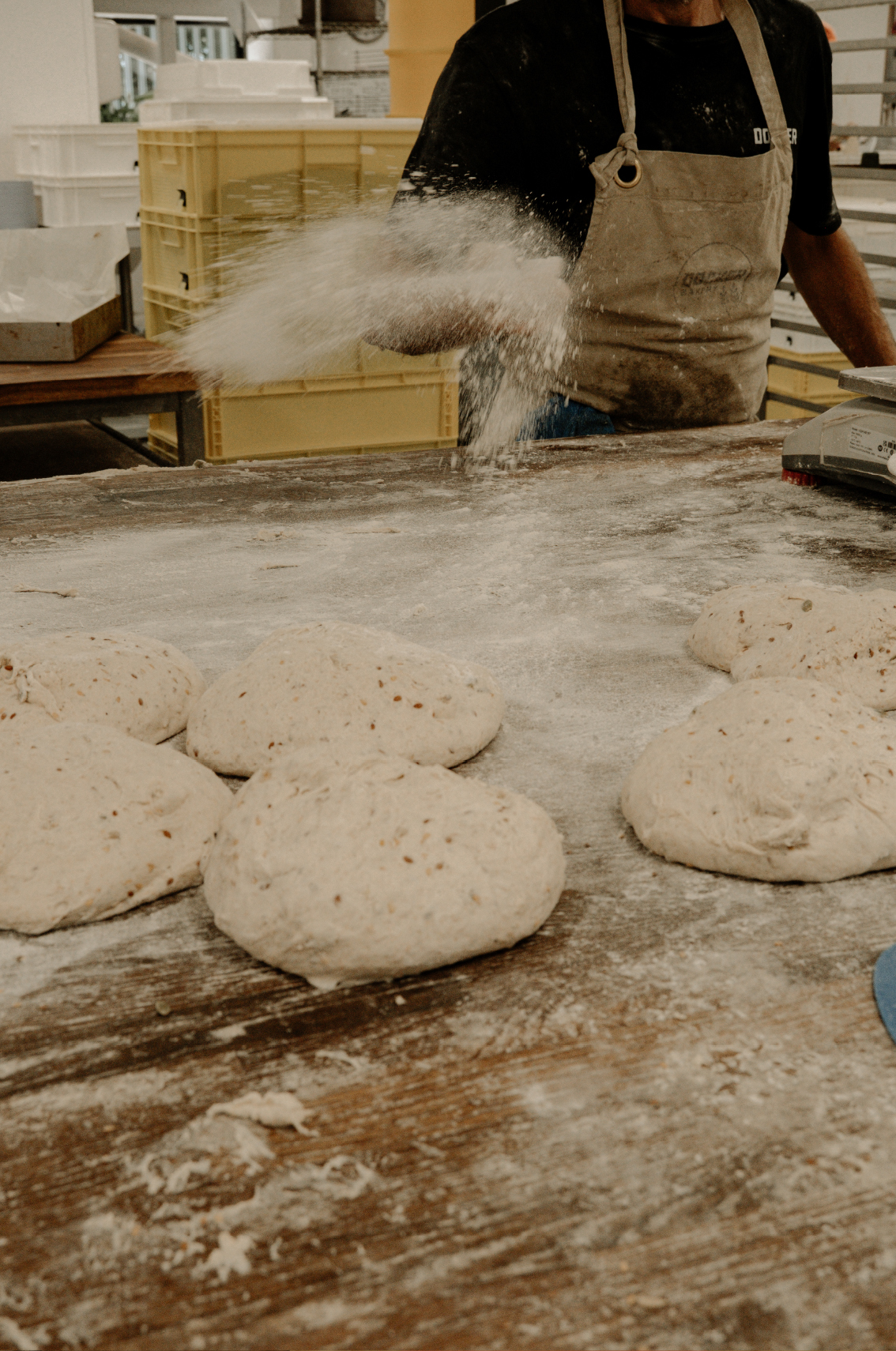
The conversation returns repeatedly to bread, but rarely in the way you expect. Flour changes with the seasons. Humidity shifts. Temperature refuses to behave. Sourdough, being alive, has little interest in rigid schedules. Every loaf asks for attention. Every day demands small adjustments.
The aim is never to control the process completely.
Only to understand it well enough to guide it.
It is difficult not to notice that Docker has grown in much the same way.
There is no nostalgia in the way Wes talks about the business. He isn’t resisting change. He understands that businesses evolve, that roles change, that more people inevitably mean more responsibility. What interests him is something quieter than that.
What must remain.
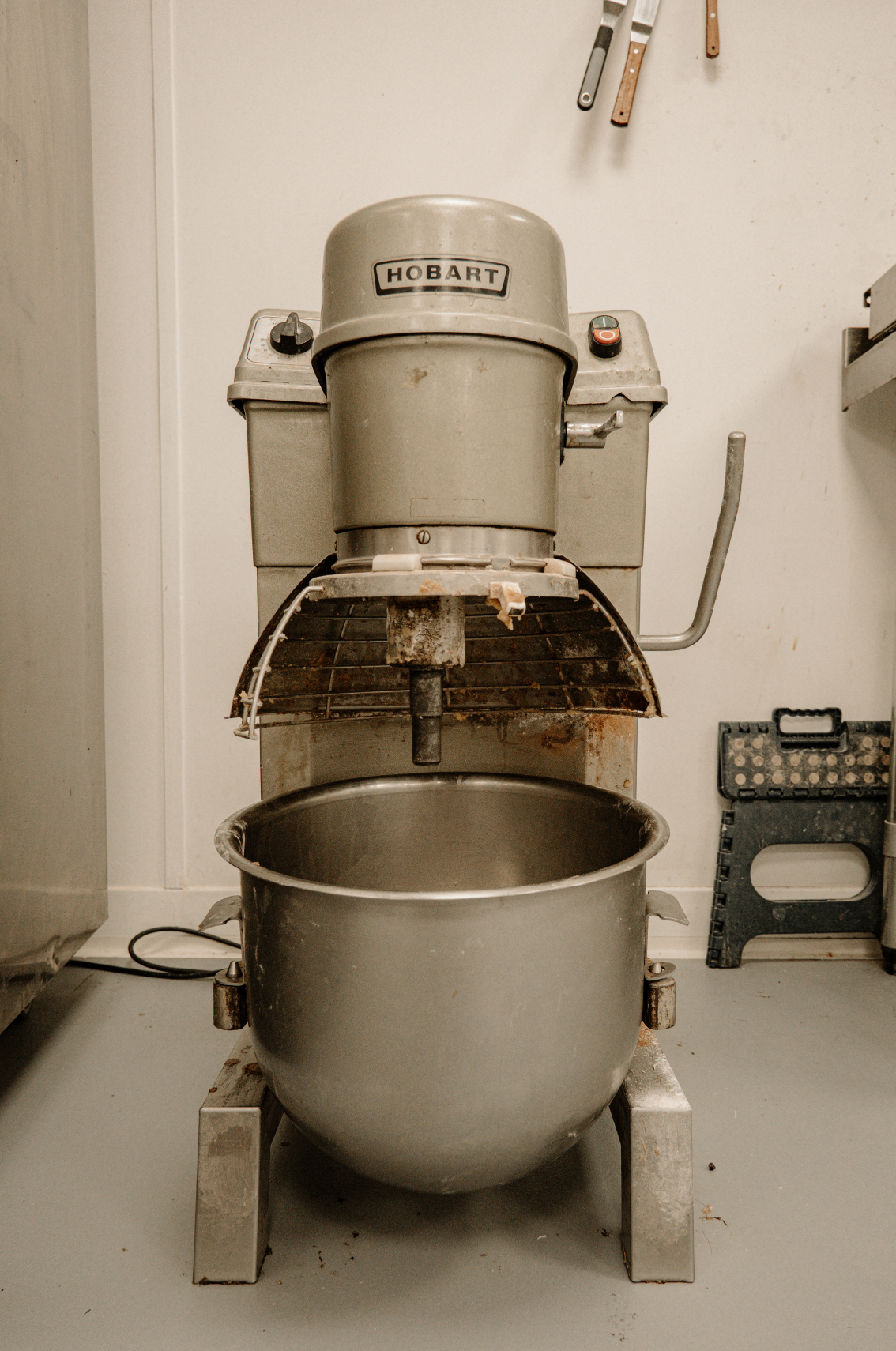
When the conversation turns to machinery, he doesn’t dismiss it. Technology has its place. His concern is with the tiny compromises that can accumulate unnoticed. One machine changes the dough a little. Another saves a little more time. Each decision seems insignificant on its own.
Until one day the thing you are making is no longer quite the thing you set out to make.
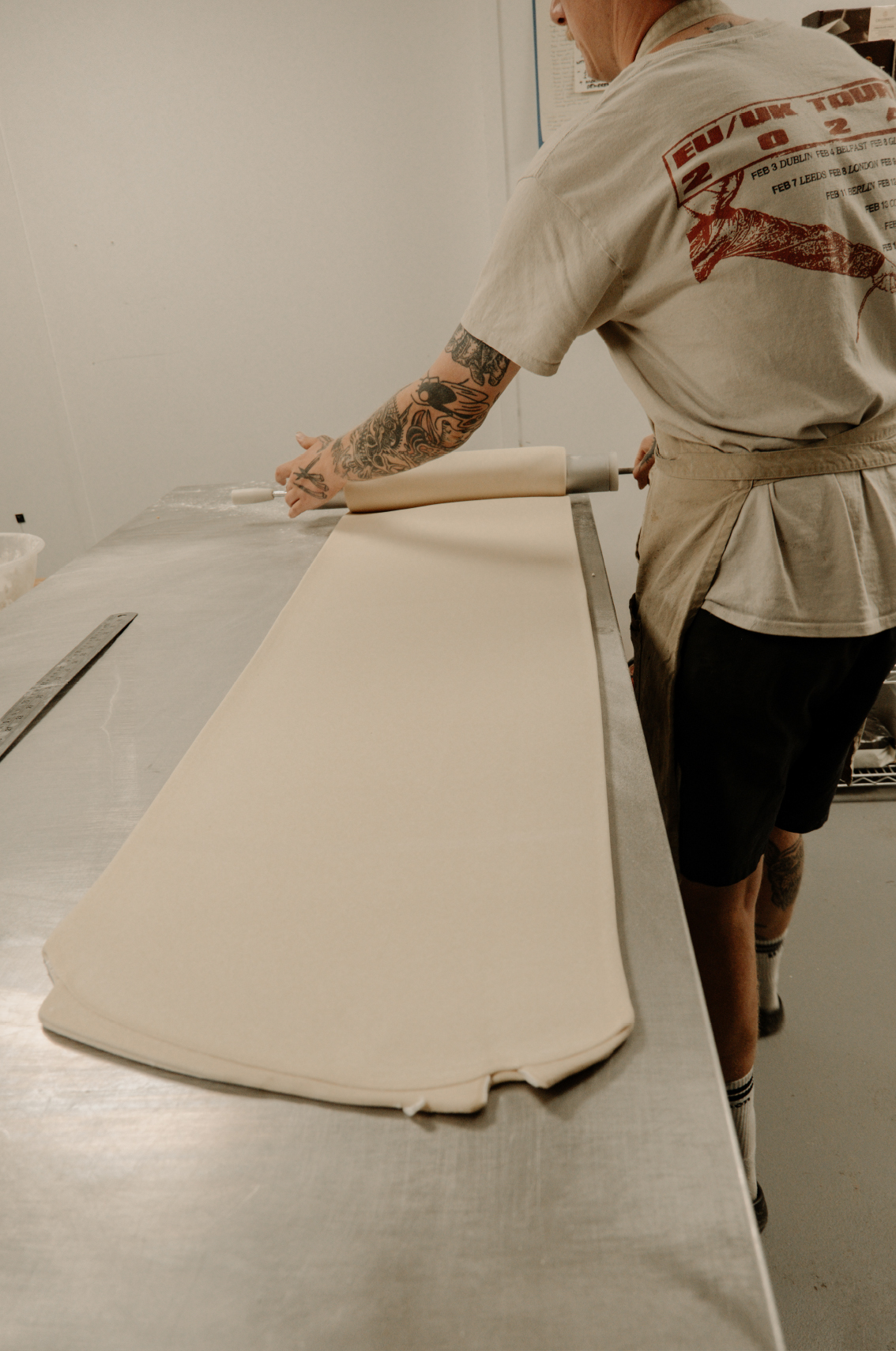
The same care shapes the way he speaks about people.
Baking begins before dawn. It is repetitive, physical work. There is no attempt to romanticise it.
Instead, Wes talks about trust, kindness and finding people who enjoy working together. He speaks about creating a workplace that recognises life beyond the bakery walls.
The bread and the culture feel inseparable.
One is simply another expression of the other.
By now the prepared questions have long since disappeared.
I ask him one final question.
“What’s bread to you?”
He smiles.
“Breakfast, lunch and dinner.”
Then he pauses.
He talks about seeking out bakeries whenever he travels. About grain becoming flour, flour becoming dough and dough passing through skilled hands before arriving on someone’s table. He describes bread as honest. Wholesome. A simple thing that connects farmers, bakers and communities through little more than flour, water, salt and time.
After ten years, he still sounds quietly amazed by it.
There are easier ways to make bread.
Faster ways too.
Docker has spent ten years quietly choosing not to.
That may be the simplest way to explain everything else.