


When we began the Stir project, it felt fitting that our first article should feature another new venture. We first spoke with Ragstone Ridge Winery last year, just as they were preparing to harvest their inaugural crop of grapes. We’ll be catching up with them again soon to see how the harvest and the bottling of their first wines have gone – but this article revisits the conversation we had before any of that began.
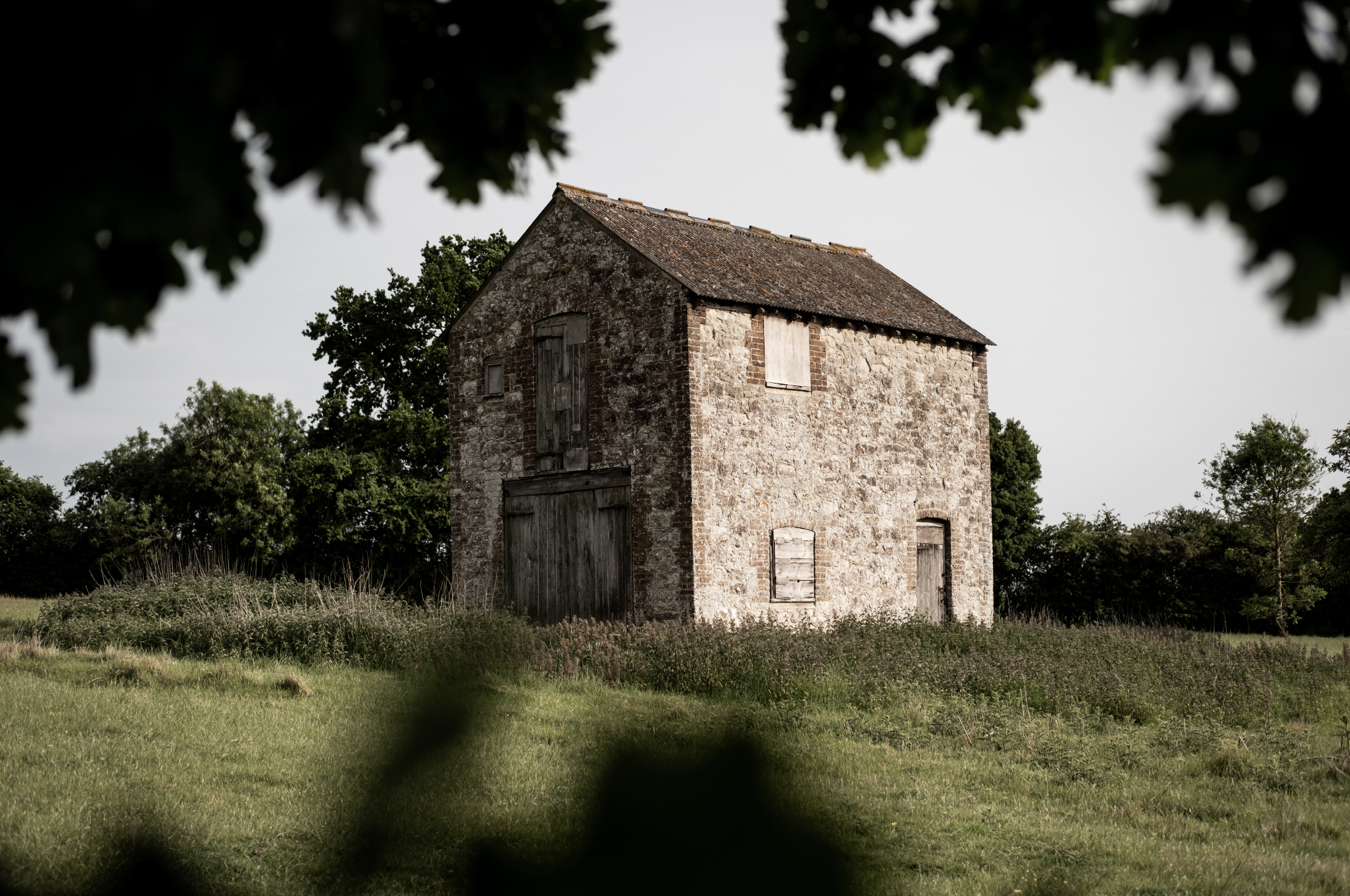
In a quiet field in the Kent countryside, an old ragstone cottage stands at the heart of a changing landscape. In the fields around it, newly planted vines stretch across land that has been farmed by the same family for generations. For brothers Phil and James Catt, the move into winemaking is both a response to modern agriculture and the realisation of a long-held family ambition.
We met Phil at Spring Farm to talk about the journey so far.
How did your first bottling go?
“It was really good,” Phil says with a grin. “That happened the Friday after we last spoke.”
The process, he explains, comes with a wait. Bottles need around five weeks to recover from what winemakers call “bottle shock.” But naturally, they couldn’t resist an early taste.
What led you to make the shift into winemaking?
Phil and his brother are third-generation farmers who once supplied produce to London markets. But the realities of modern agriculture forced a rethink.
“Unless you farm at scale, it’s becoming harder and harder to make any money,” he explains. “It’s either scale down or scale up significantly. For us, scaling down and focusing on quality made more sense.”
Today, they produce smaller quantities of higher-quality crops for premium restaurants – alongside their growing vineyard venture.
“You can actually taste it within the first four hours of it going into the bottle,” he says. “We sampled the first one at Balfour Winery – and it didn’t last very long, so it must have been nice.”
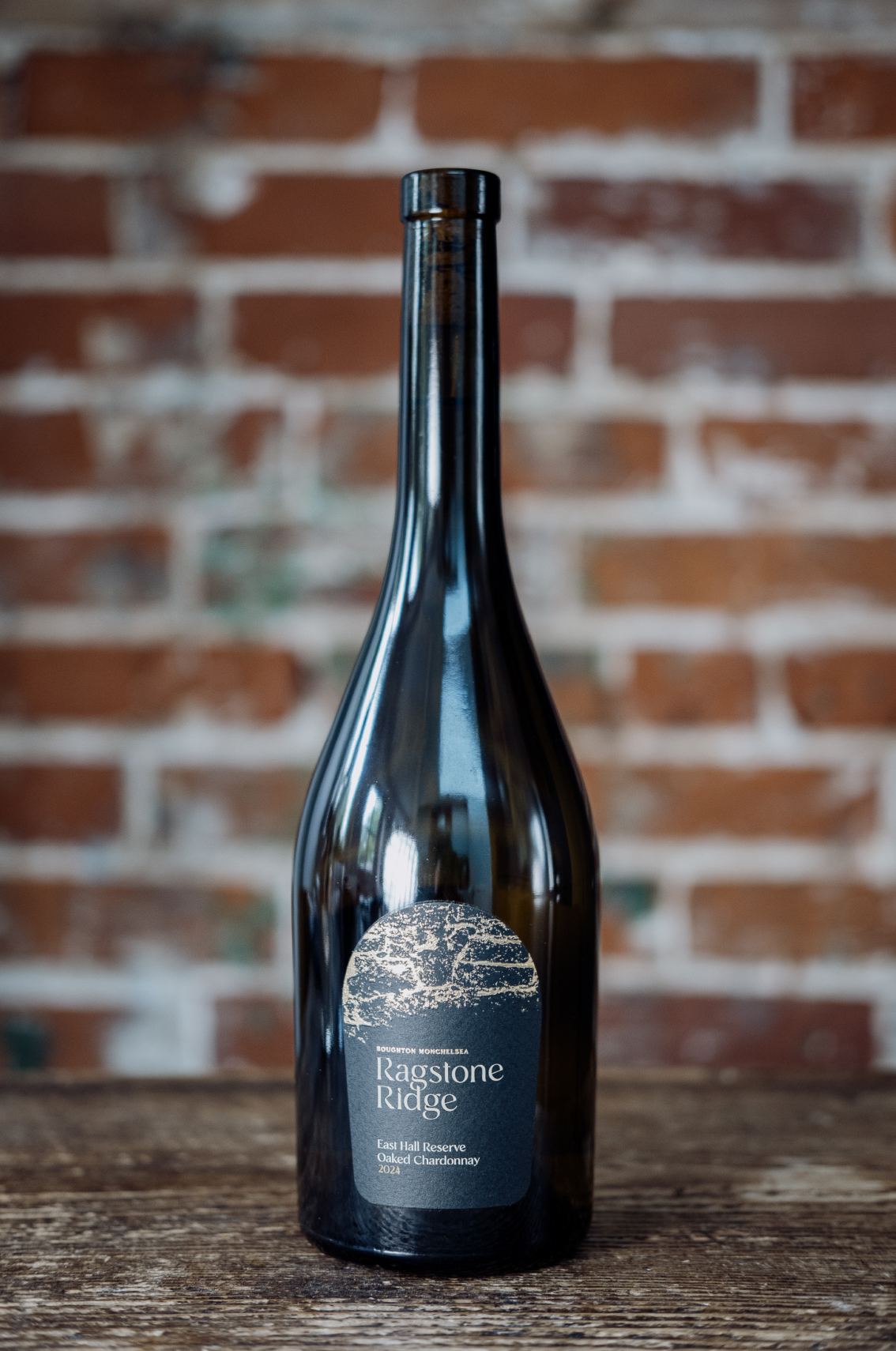
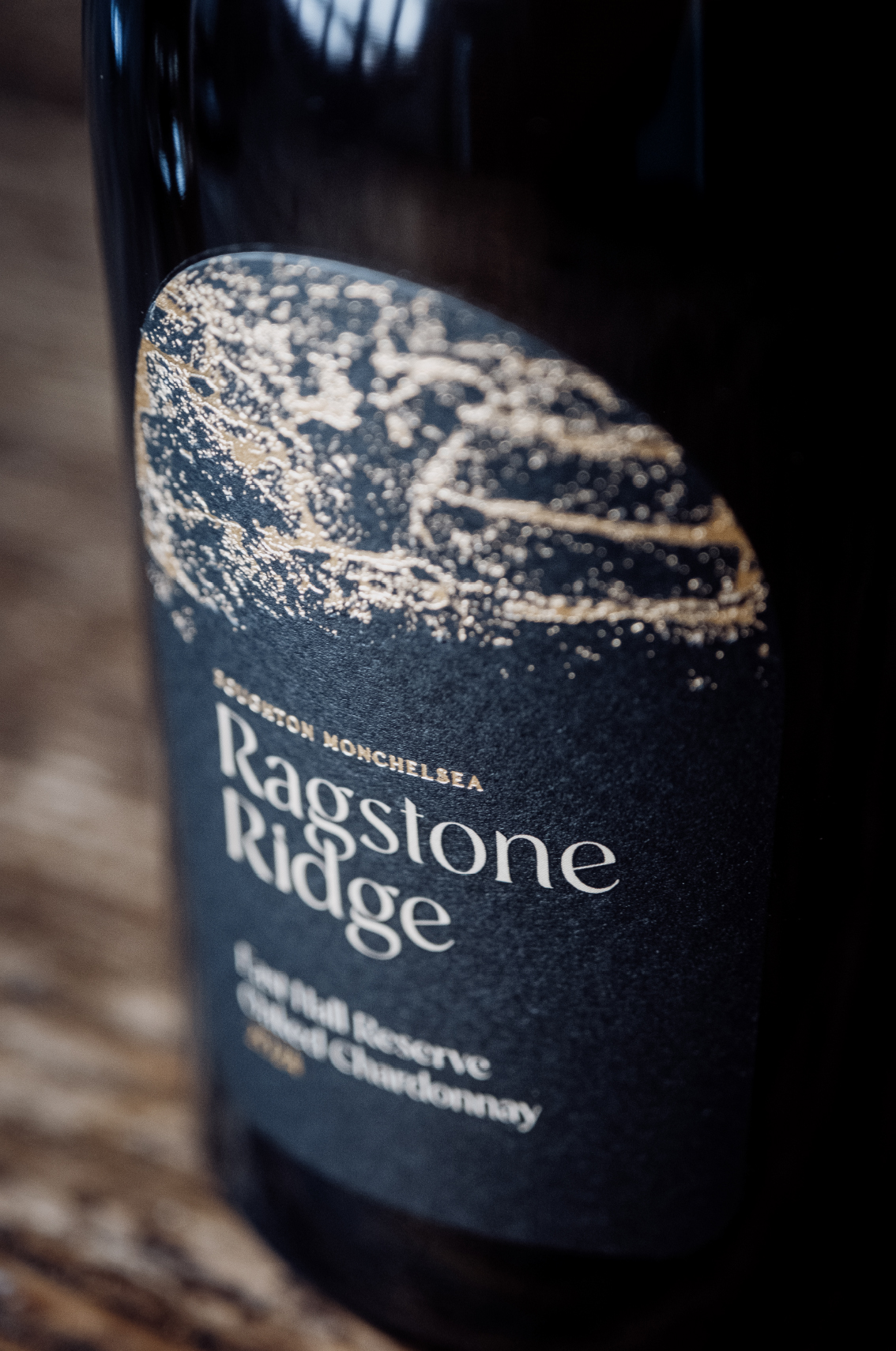
With labels already ordered, the final step now rests with Balfour’s head winemaker. Once approved, the bottles will be ready for release.
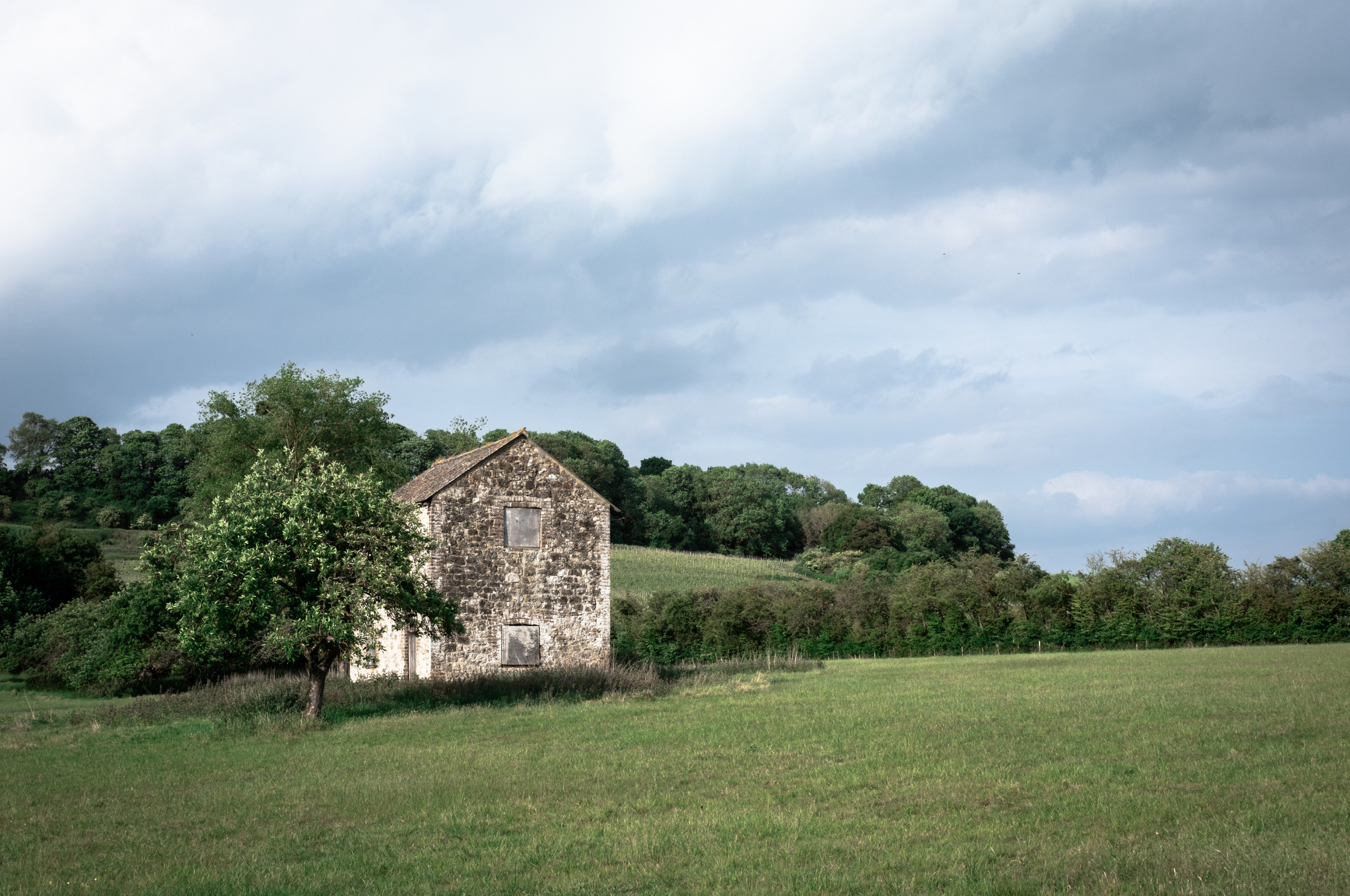
Walking through the valley, the ragstone cottage quickly becomes a focal point – not just visually, but historically.
What’s the story behind the cottage and surrounding land?
“This track we’re walking on will hopefully become the main entrance to the vineyard,” Phil says, gesturing ahead.
The cottage itself may once have been a shepherd’s hut, and the surrounding land carries intriguing links to the past. Across the valley lived Thomas Barham in the 1800s, known as the “keeper of the pipe,” a role tied to imported wine.
“We’d love to find out more about that,” Phil says. “It would be amazing if this area had deeper connections to wine production or trading.”
Even the name of one of their farm buildings – Wintins – may hint at a winemaking past.
“It’s really intriguing. If anyone out there could shed light on it, that would be amazing.”
Where did the idea for the vineyard first come from?
“My grandad always wanted to try growing vines,” Phil says.
Years ago, his grandfather planted vines simply because he liked how they looked. At the time, wine production wasn’t commercially viable – but the idea stuck.
When parts of the farm later lay fallow, the brothers revisited it.
“We looked at the land and thought maybe now’s the time to bite the bullet and give it a go.”
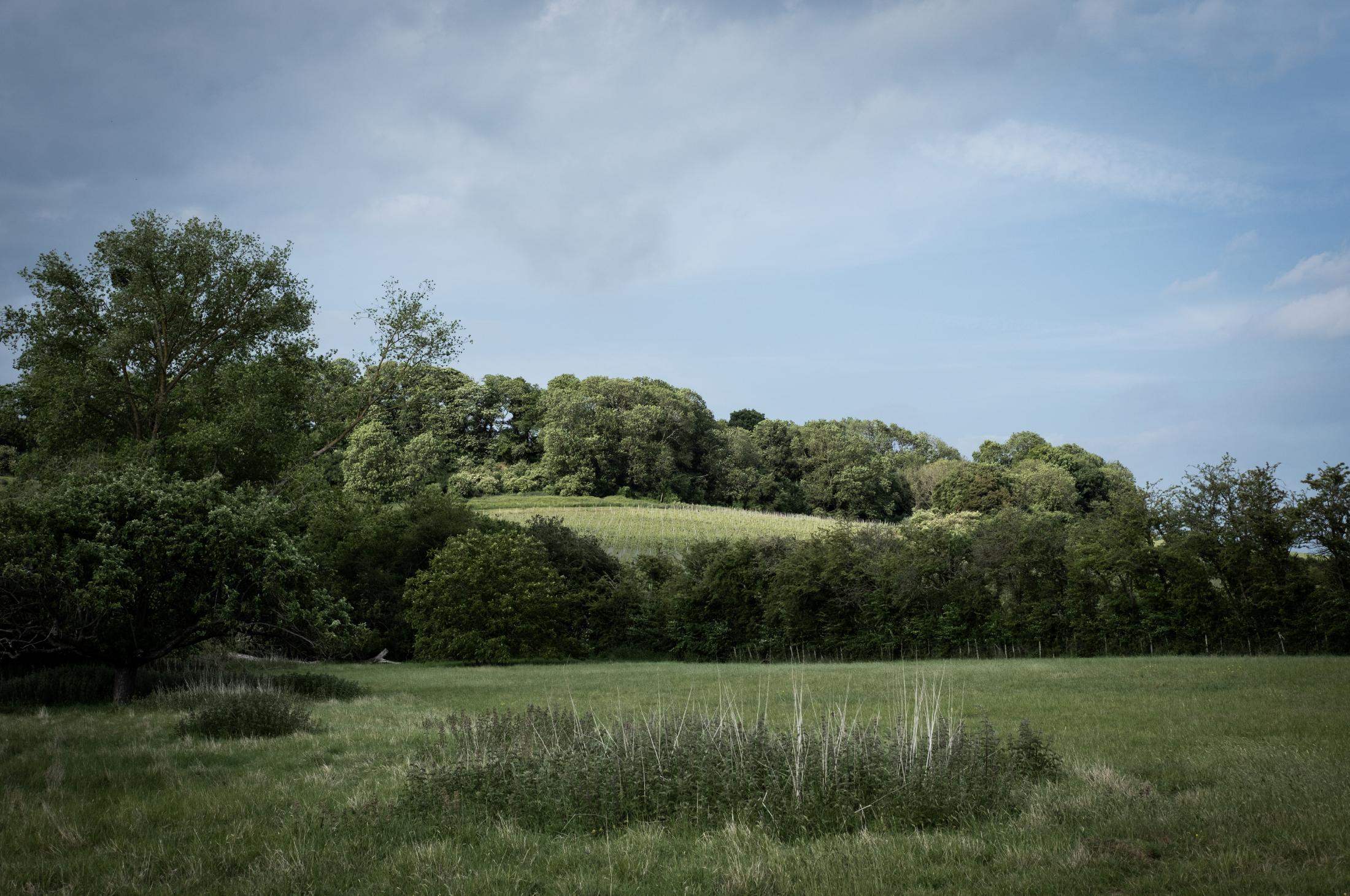
With guidance from friends in the wine industry, the brothers began making key decisions – from vine selection to soil suitability.
What makes this land right for vines?
“The soil is a mix of clay and sandstone – something that divides opinion. A lot of people say chalk is the way forward,” Phil says. “But it depends who you talk to. You’ve got Team Chalk and Team Clay.” With a laugh, he adds: “I guess we’re going to find out who’s right.”
The initial planting began in 2021–22 across fifteen acres, with a typical five-year wait expected before meaningful production.
Did things go to plan?
“Not exactly,” Phil admits.
A neighbouring seventeen-acre vineyard – already established – came up for sale, dramatically accelerating their timeline.
“All of a sudden, our five-year plan got sped up by about four years.”
The first harvest from that site produced fifty-six tonnes of grapes, enough to create around 30,000 bottles.
What have been some of the biggest decisions so far?
One key choice was whether to thin the crop – removing grapes early to improve quality.
“We’re fruit growers,” Phil says. “Dropping fruit sounded criminal.”
They kept the full crop – a risk that ultimately paid off, though he admits future seasons may require a different approach.
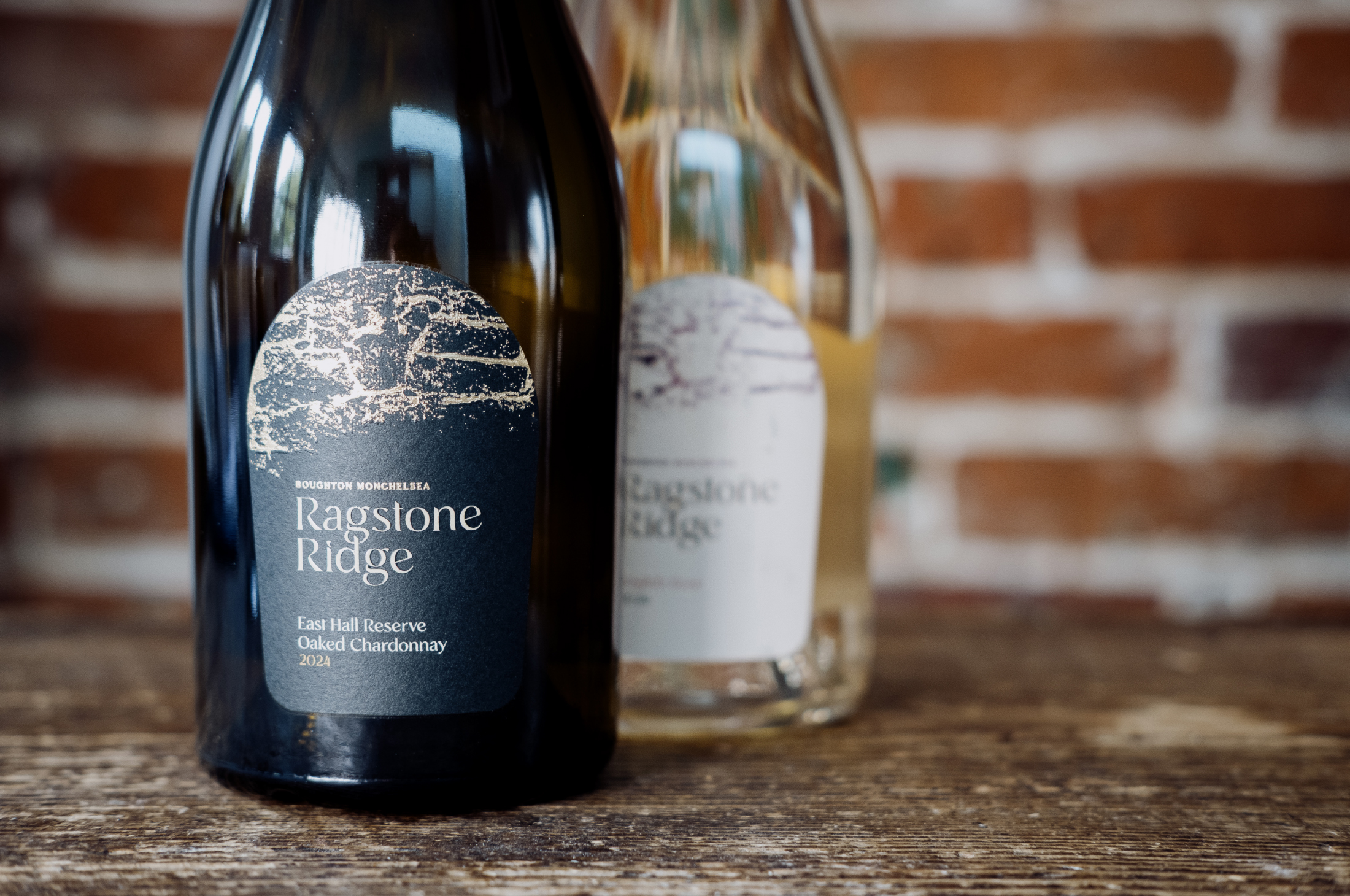
Is running a vineyard as profitable as it looks?
“Not quite,” Phil says. “It probably costs about £11 or £12 to produce each bottle. You might sell it for £15 to restaurants, so the margin is around £3.”
Even with 30,000 bottles, the returns are modest when shared across the team.
“It sounds great – but there are four of us involved, so it’s not a massive return.”
Back at the cottage, Phil pauses, looking at it with a sense of familiarity.
What are your plans for this space?
“I always wanted to live here when I was young,” he says. “My brother and I used to talk about doing it up.”
Now, that idea is being revived – this time as a hub for the vineyard. Plans include adding utilities, installing a kitchen, and restoring the interior.
“I’m a carpenter by trade, so I’ll probably do the inside.”
Once restored, the cottage will sit at the centre of an expanded vineyard, with more vines planted to unify the surrounding land.
How has the journey been so far?
“It’s been full on,” Phil says. “But we’ve enjoyed it. It’s nice learning something new.”
And there are unexpected perks too.
“The events we’re invited to now are definitely nicer than the ones we used to go to for carrots and potatoes.”
Click here for contact Ragstone Ridge Winery’s contact details